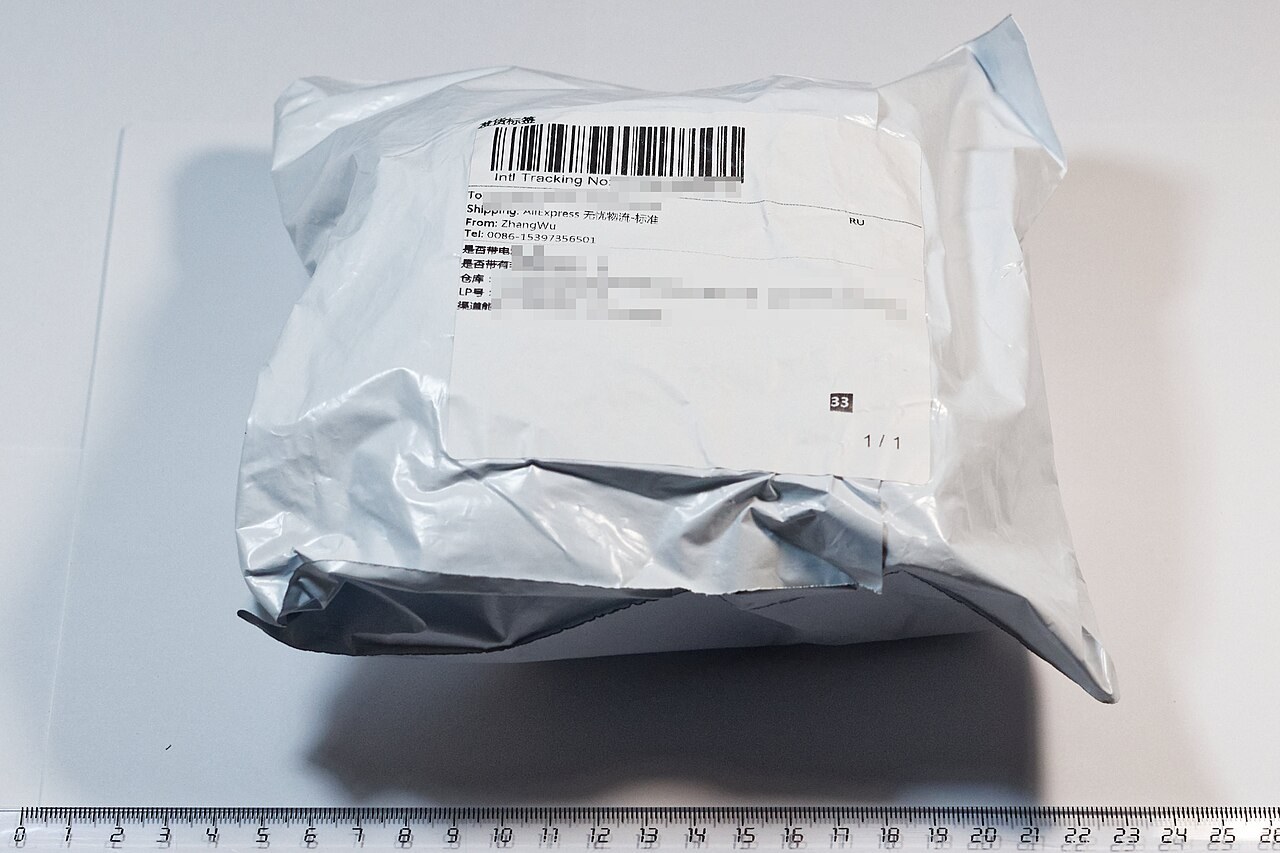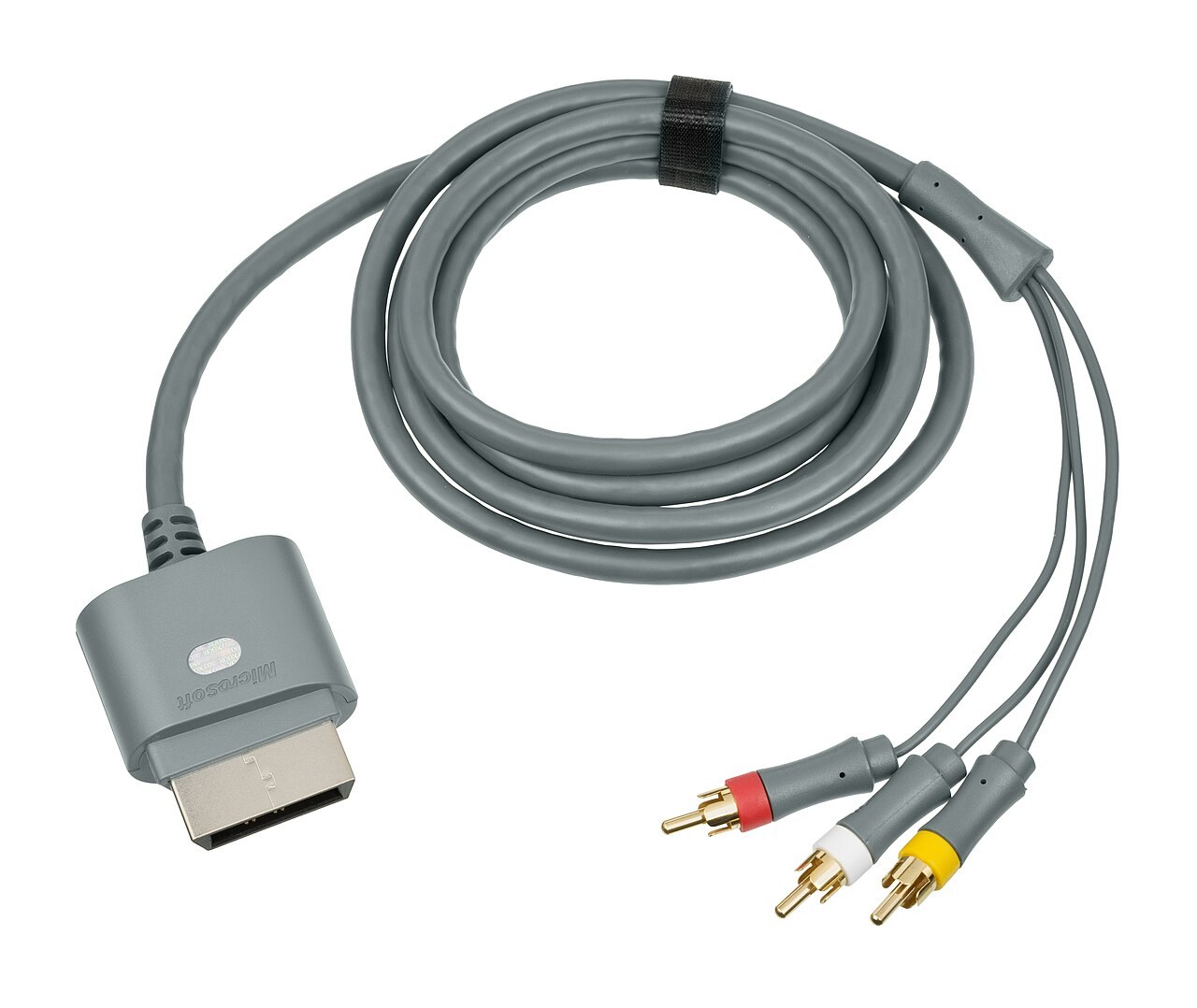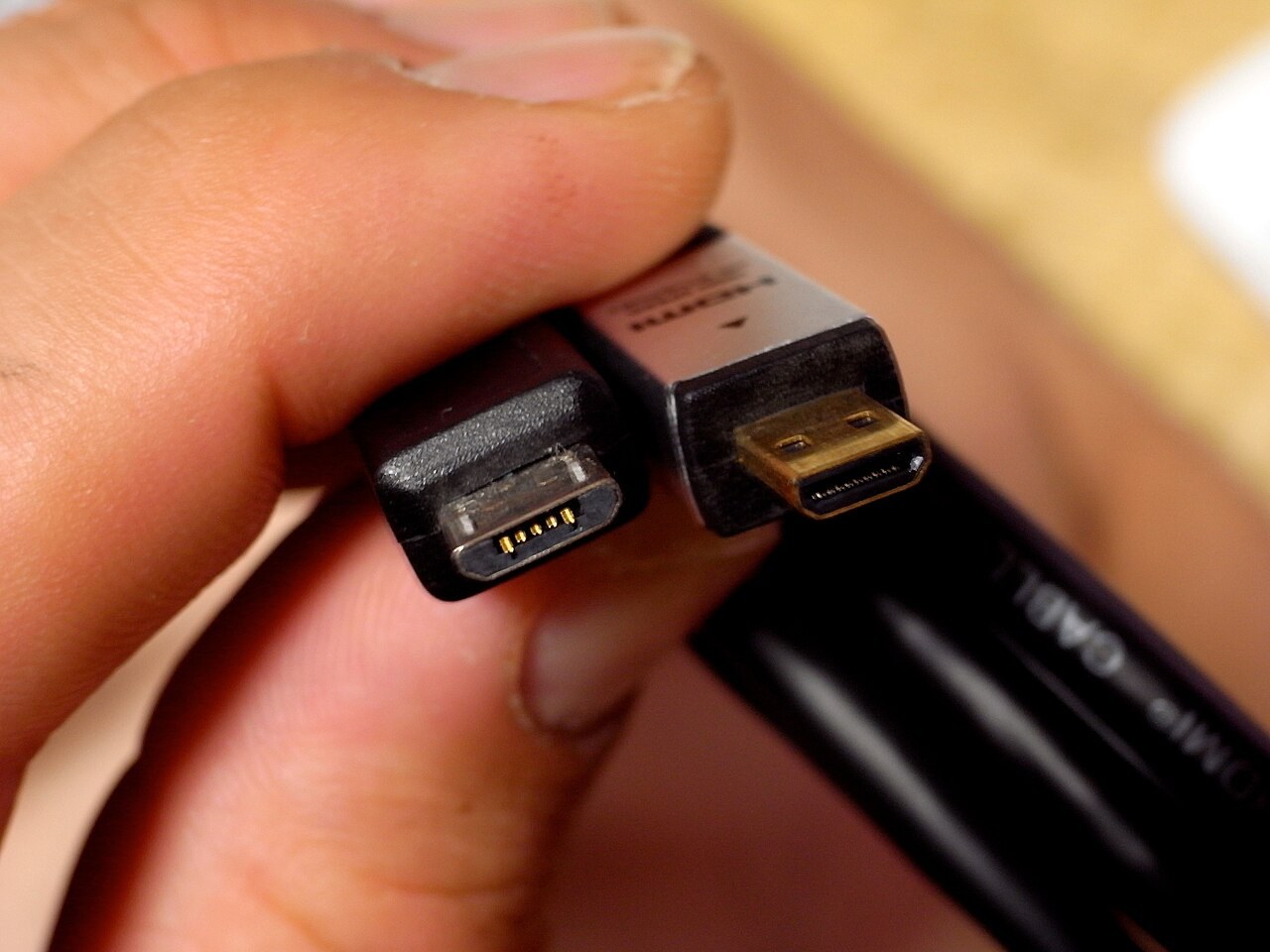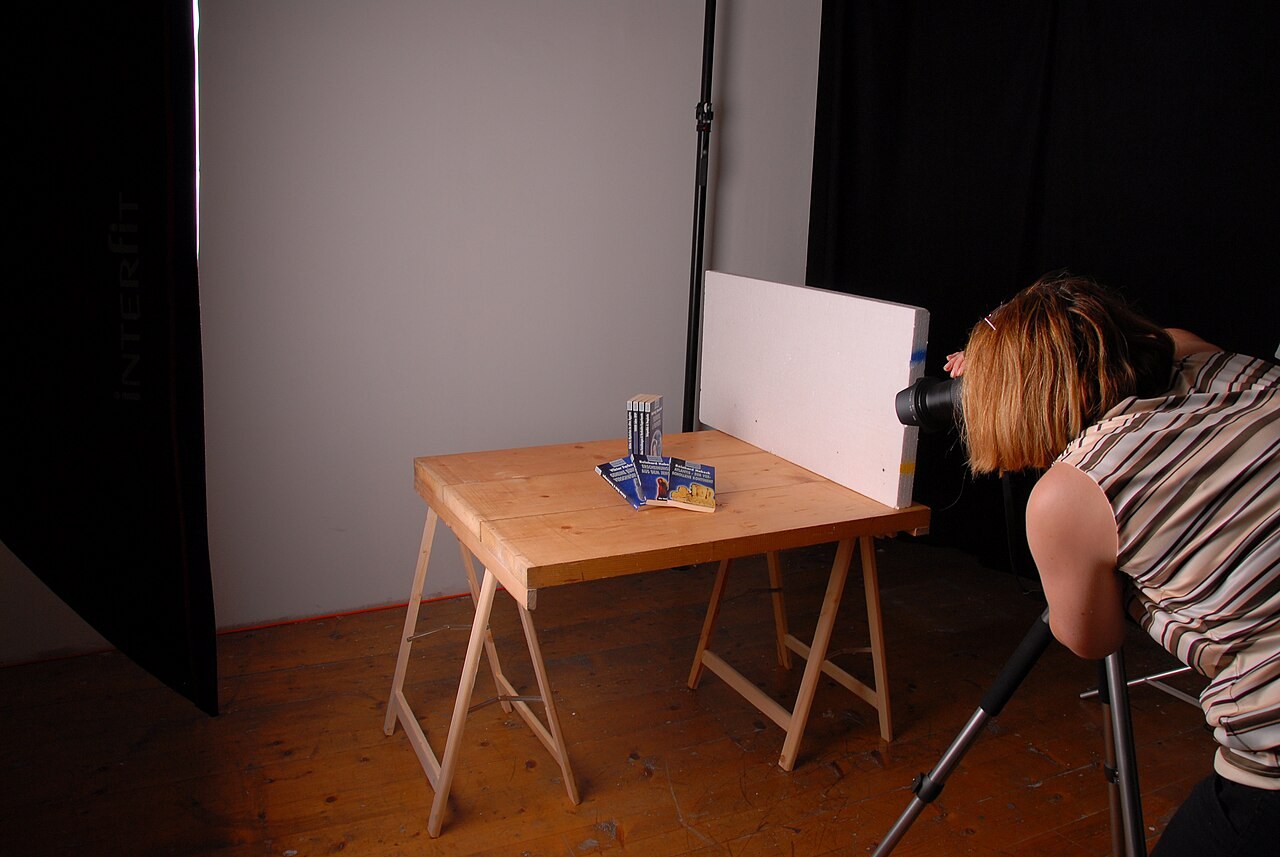
A photograph can show a mark yet leave the main question unanswered: where is it? Useful documentation connects the whole product with the affected area and a precise written description.
Move from context to detail
Start with a view of the complete product against a neutral background. Next photograph the affected side, then take a close view of the individual mark. This sequence connects the scratch with the actual item. If scale matters, place a ruler nearby without touching a delicate surface or hiding the damage. Photograph reflective surfaces from a slightly different angle as well. Reflections can resemble cracks or conceal existing marks. Diffuse daylight is often more useful than direct flash. Change the lighting before increasing contrast digitally, because a heavily edited picture can make the condition harder to assess fairly.
Separate observations from theories
Describe what is actually visible: a dent in the right side panel, a missing foot or a bright line on an illuminated display. Avoid adding a technical diagnosis that the image cannot establish. Record functional differences under understandable conditions. For a screen, note the source and displayed content; for a sound, note the operating phase. A video should demonstrate the relevant event rather than a lengthy series of unrelated attempts. Keep the original files and add arrows or circles only to separate copies. Unaltered images will then remain available if the seller or service provider requests another view.
Share only necessary information
Check photographs for addresses, account names, documents and other people before sending them. A serial number may be needed privately to identify a device for service, but it does not automatically belong in a public review. Hide sensitive information in a copy instead of changing your only original. Give files clear names such as overview, side panel and detail. Include a short summary, the order reference and the specific question you want answered. Transport damage enquiries may require additional documents, including proof of posting and value. Pictures do not replace those records. Follow the procedure of the relevant seller or carrier rather than assuming one universal photograph checklist applies.
Common questions
Should I clean the mark before taking photographs?
Document the arrival condition first. Cleaning may change residues or marks. If the condition is disputed, agree the next step before treating the surface.
Do photographs establish safety?
No. They show visible features and selected situations. Concealed damage and electrical safety cannot be reliably established from photographs alone.