Understanding B-Ware: what the label actually tells you
A sales label is a starting point. The reason for the classification, promised functions and condition of the individual item matter more.
Read article ↗Understand condition, terminology and descriptions.
A sales label is a starting point. The reason for the classification, promised functions and condition of the individual item matter more.
Read article ↗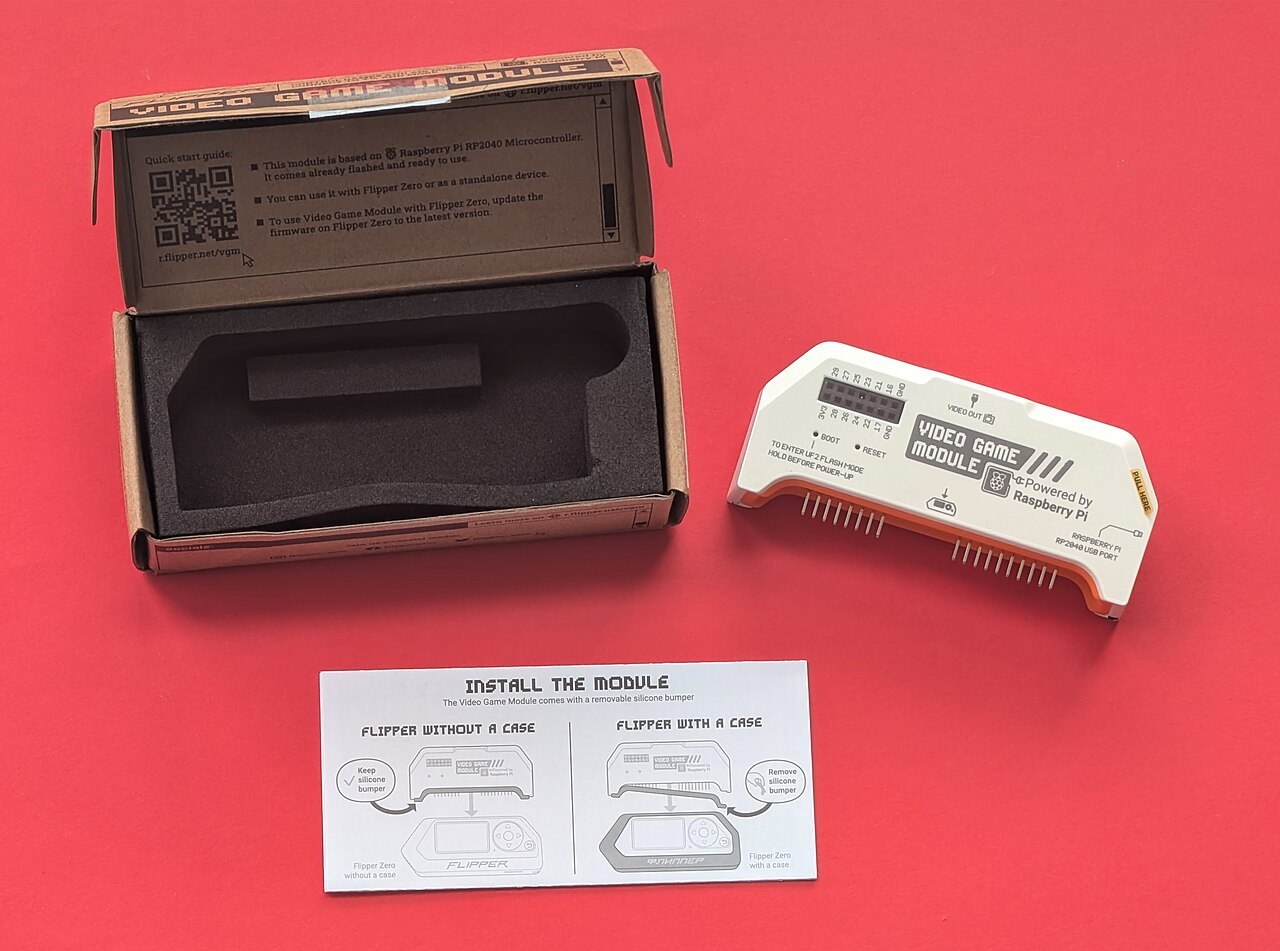
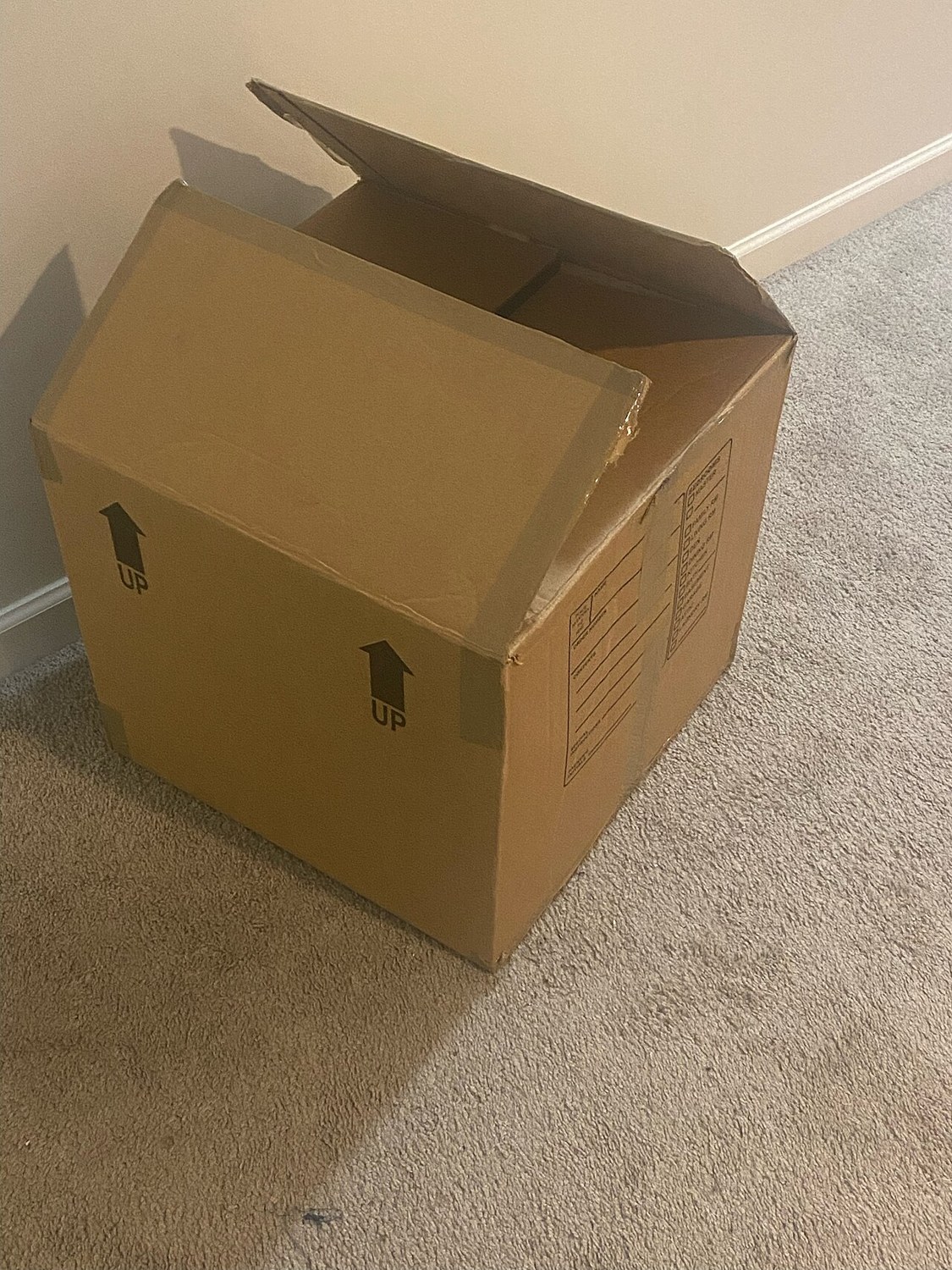
An opened carton says little about use. Check the contents, setup status and actual wear separately.
Read article ↗
Refurbishment programmes differ. Questions about testing, repairs and replacement parts make an offer easier to assess.
Read article ↗
Usage history and refurbishment are separate pieces of information. Compare documented work instead of relying on the heading.
Read article ↗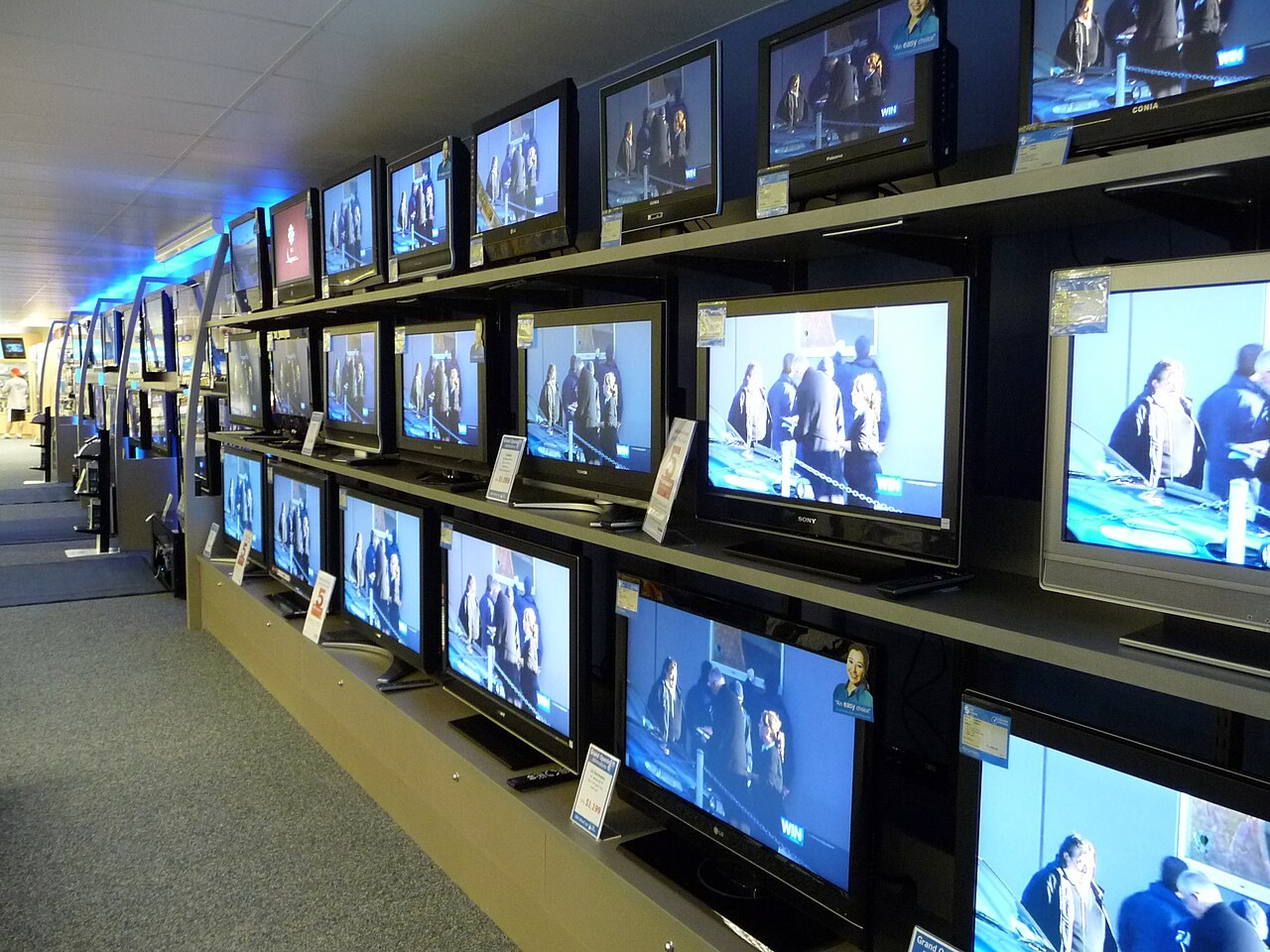
Demonstration products can experience different use from boxed stock. Ask how they were shown and inspect contact areas.
Read article ↗
A dented carton calls for inspection. Shape, moisture and internal padding help determine the sensible order of checks.
Read article ↗
A condition label needs a definition. Establish which marks are allowed and which characteristics are assessed separately.
Read article ↗
The position of damage can matter more than its size. Record appearance and practical effects as separate observations.
Read article ↗
Returned describes a product’s history. Its current condition and checks after its return are what matter for buying.
Read article ↗
A small missing part can prevent use. Check its role, exact specification and availability before comparing prices.
Read article ↗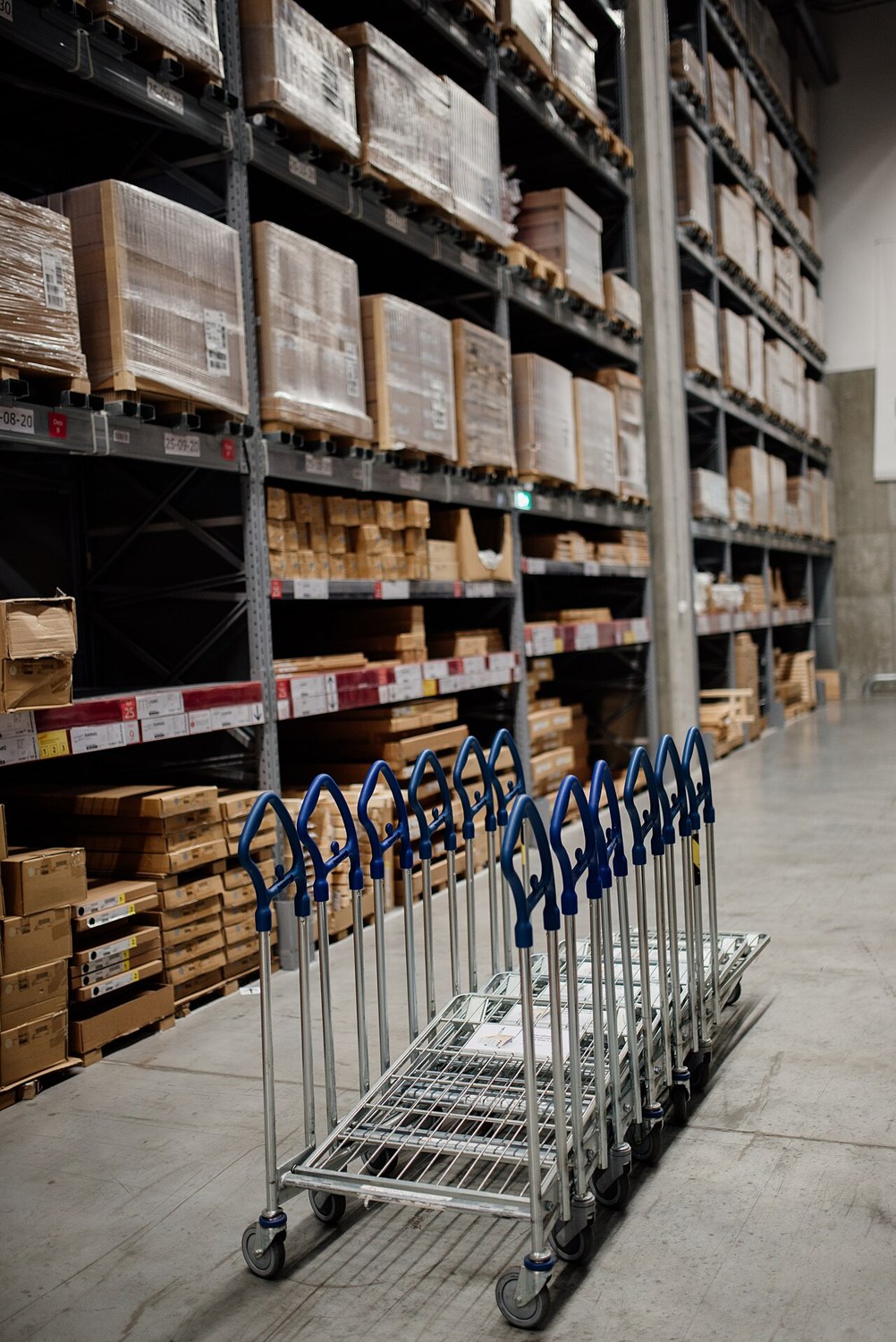
Limited remaining stock and individual product condition answer different questions. Inspect both independently.
Read article ↗
A plain carton can be suitable. Strength, cushioning and restraint of the contents are the important features.
Read article ↗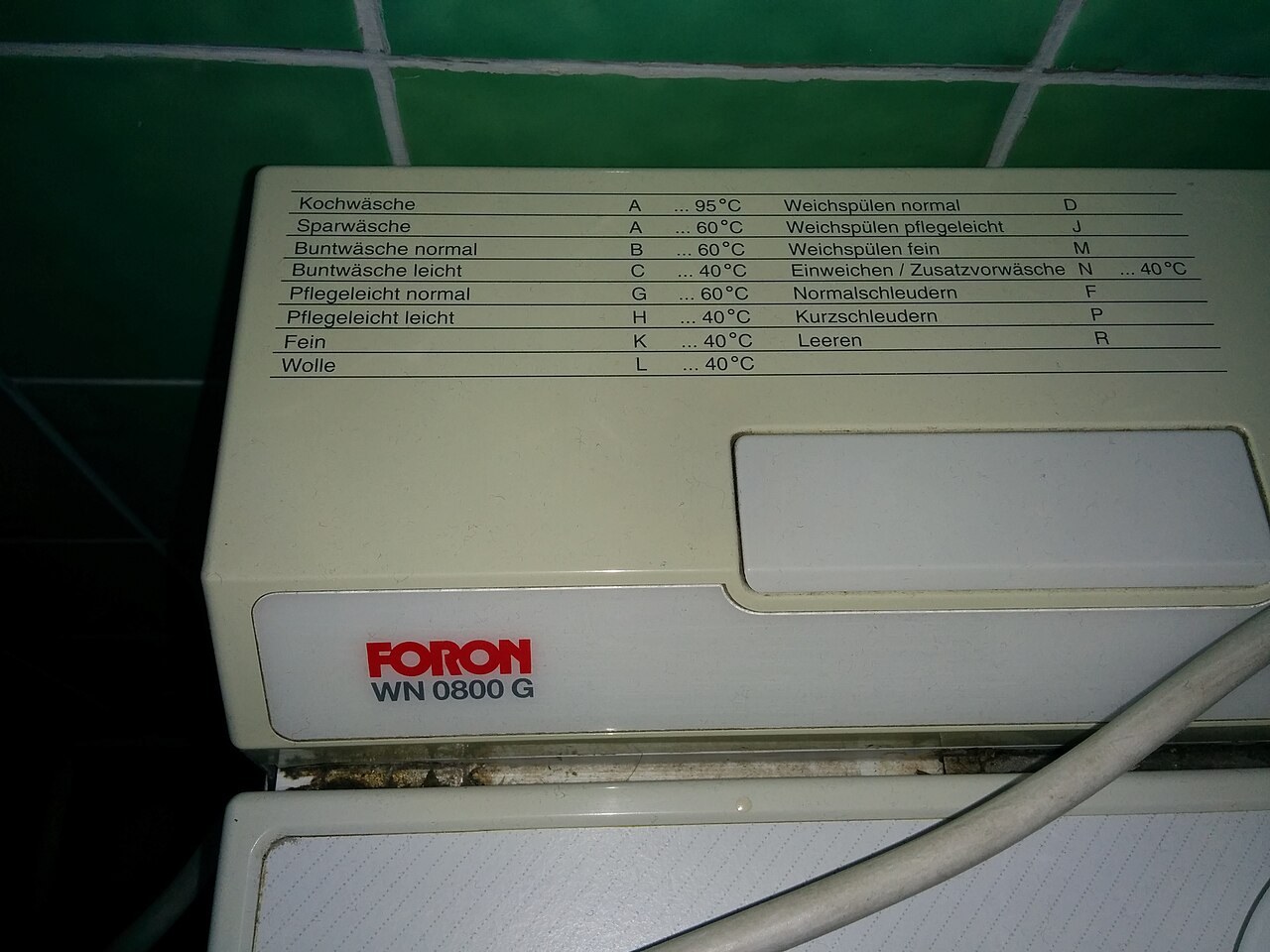
Similar names can conceal different specifications. Complete identification helps you locate appropriate manuals and parts.
Read article ↗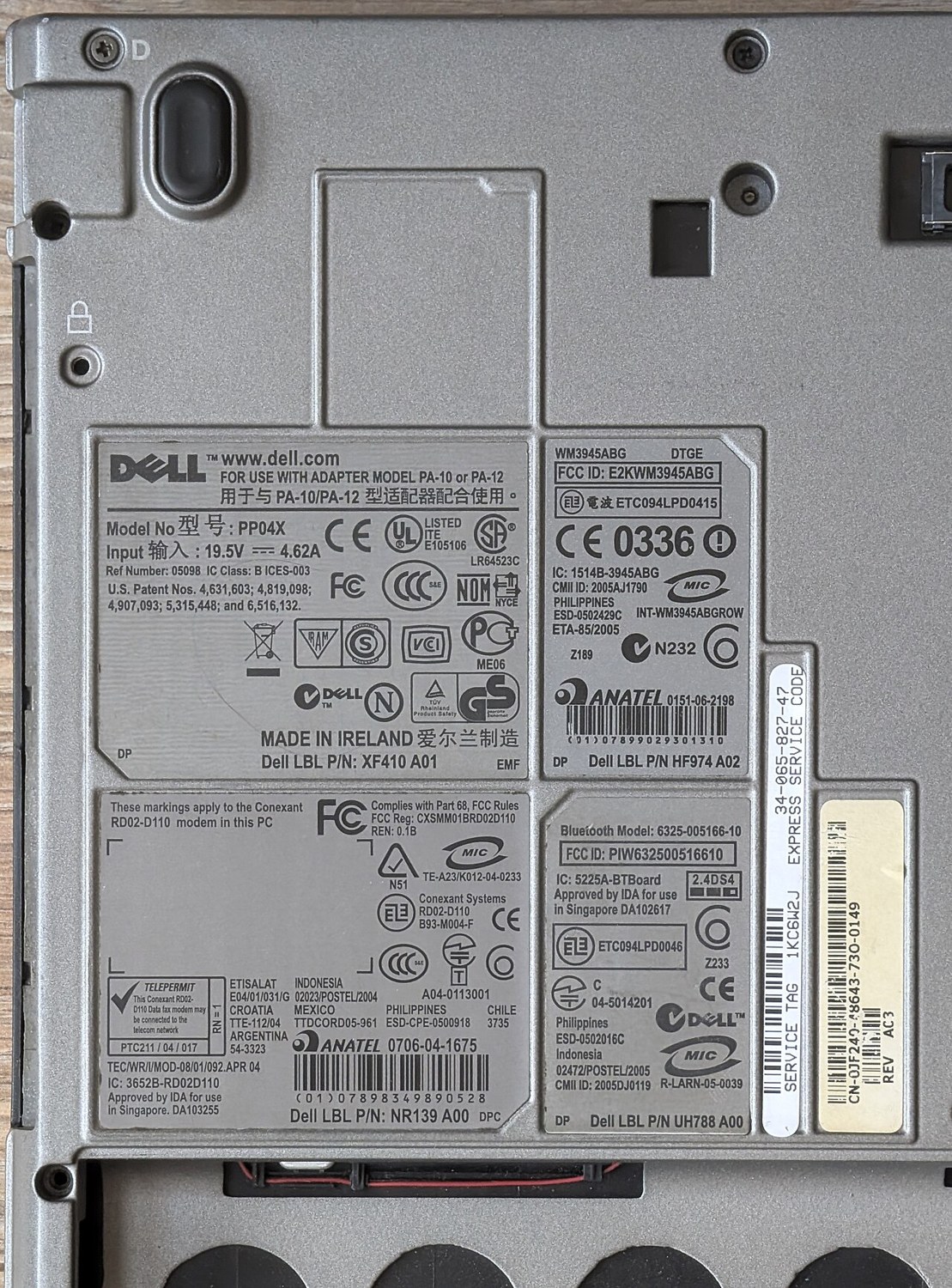
A unique identifier helps with support and records. Use it for a clear purpose and protect unrelated personal details.
Read article ↗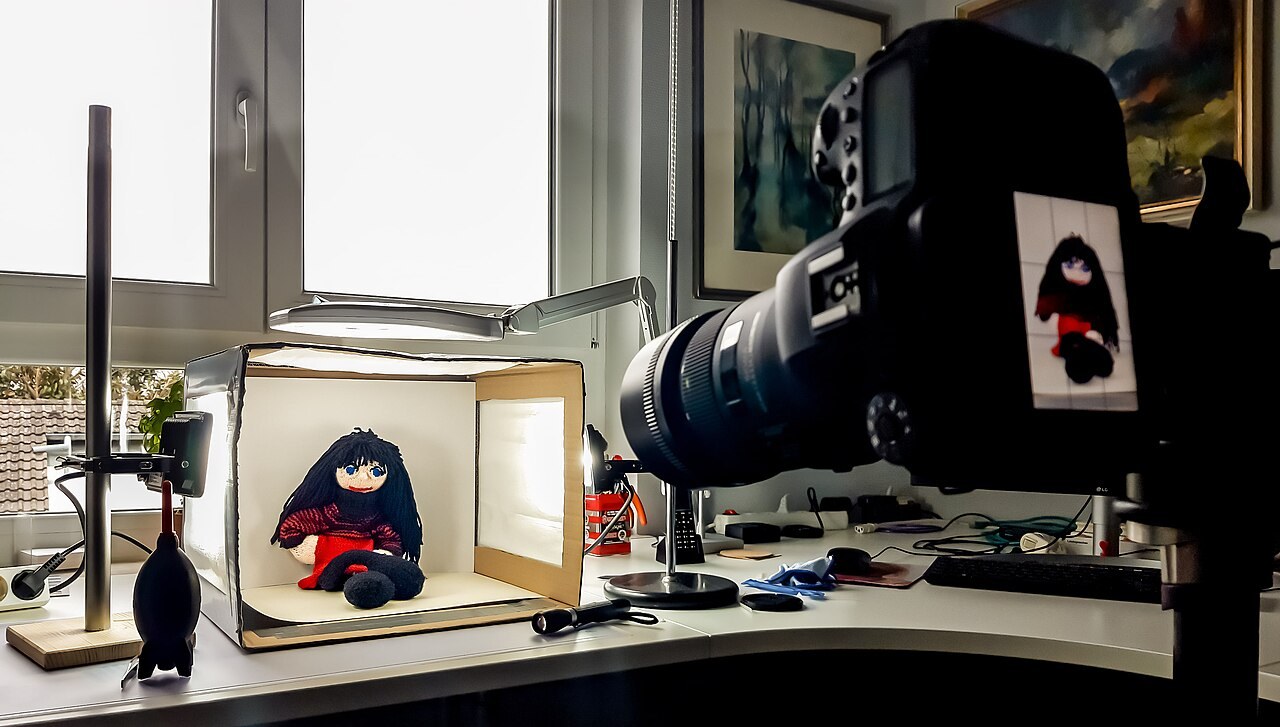
An image may explain the model or the individual example. Know which role it serves before drawing a condition conclusion.
Read article ↗
Useful descriptions state facts, limits and supplied contents. They turn pleasant wording into something you can actually check.
Read article ↗