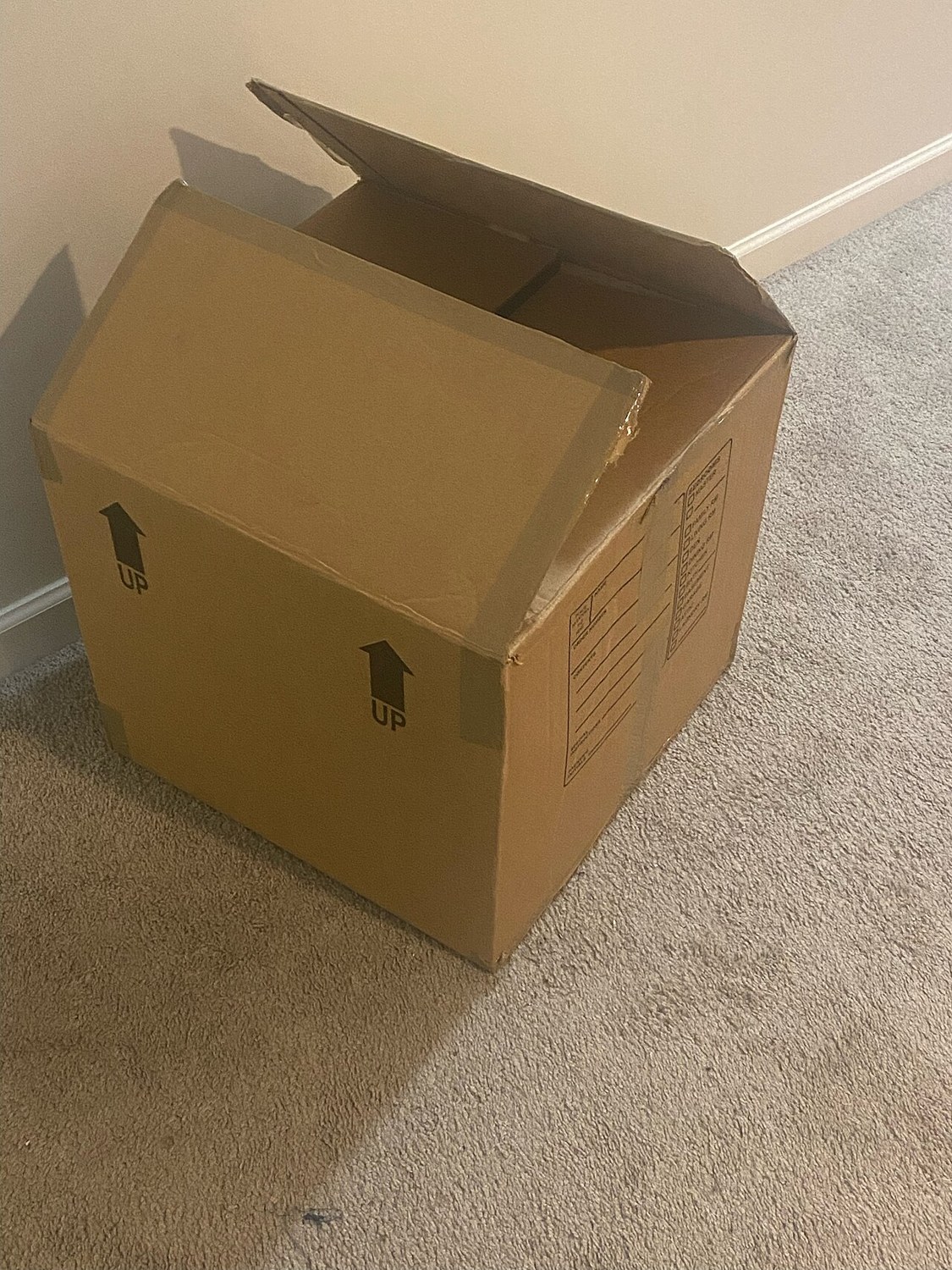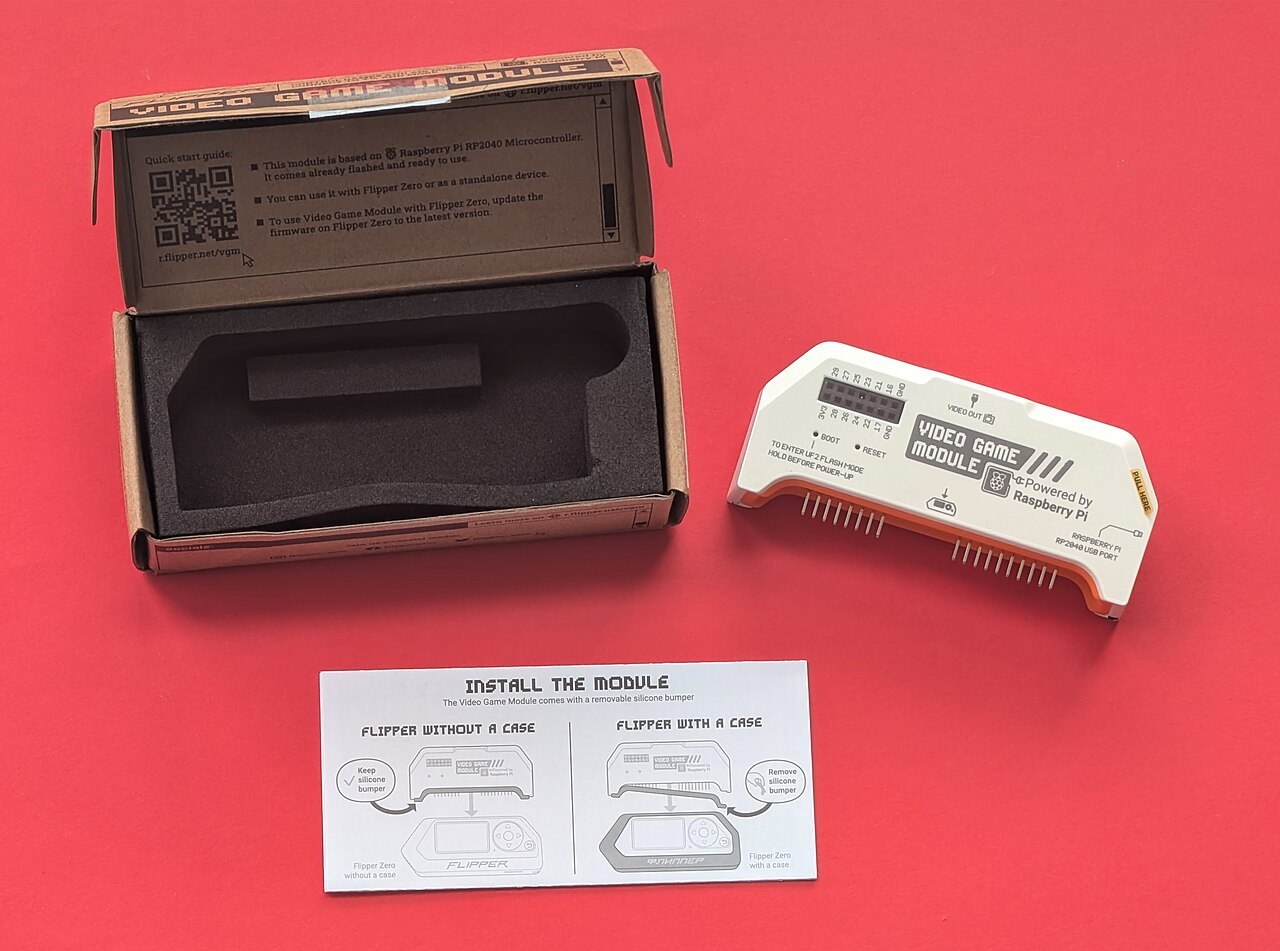
Used products often lack their original packaging. A replacement carton is therefore not automatically a disadvantage, but it needs to suit the product. Assess the shipping arrangement by how it protects delicate surfaces and limits movement inside rather than by the brand name printed on its exterior.
Plan around the product
Establish size, weight and particularly vulnerable areas before shipping. A large flat screen needs different protection from a compact metal enclosure. Loose accessories must not be able to strike delicate surfaces during transport. An appropriate internal arrangement is consequently as important as the outer box itself.
For large or heavy items, ask which shipping method is planned. A parcel carton is not automatically suitable for every machine. Manufacturer guidance and the chosen carrier’s packaging requirements provide a useful starting point. A fragile label cannot take the place of a package strong enough for the contents.
Check strength and the internal space
The outer carton should be dry, sound and strong enough for the item. Soft, torn or heavily creased walls may provide less protection. Appropriate cushioning inside must maintain separation and prevent the product from moving freely through the box when the package is handled.
Pack power supplies, screws and other loose pieces separately from the delicate main item. Electronic assemblies may additionally require suitable protection from electrostatic discharge. Do not choose a filling material merely because it happens to be available. Suitability depends on the shape, weight and sensitivity of what you are sending, not just on filling the visible gap.
Consider a possible return shipment
After opening, photograph the internal arrangement before taking it completely apart. Keep usable shaped supports and padding initially. They make later safe packing easier and show how the item was originally restrained. Do not automatically reuse damaged packaging without considering whether it still provides appropriate protection.
If the existing arrangement is clearly inadequate, agree a better option with the relevant contact. Remove or conceal old address labels and misleading shipping markings before another shipment. A suitable carton still needs secure closure; loose string and projecting pieces can introduce additional handling problems even when the main item is well cushioned.
Common questions
Is the original box always best?
Only when it is intact and its suitable internal supports fit the product. An empty retail carton alone can be insufficient.
Is filling gaps with paper enough?
That depends on the contents. Heavy or delicate products need suitable cushioning and restraint, rather than space that merely looks filled.