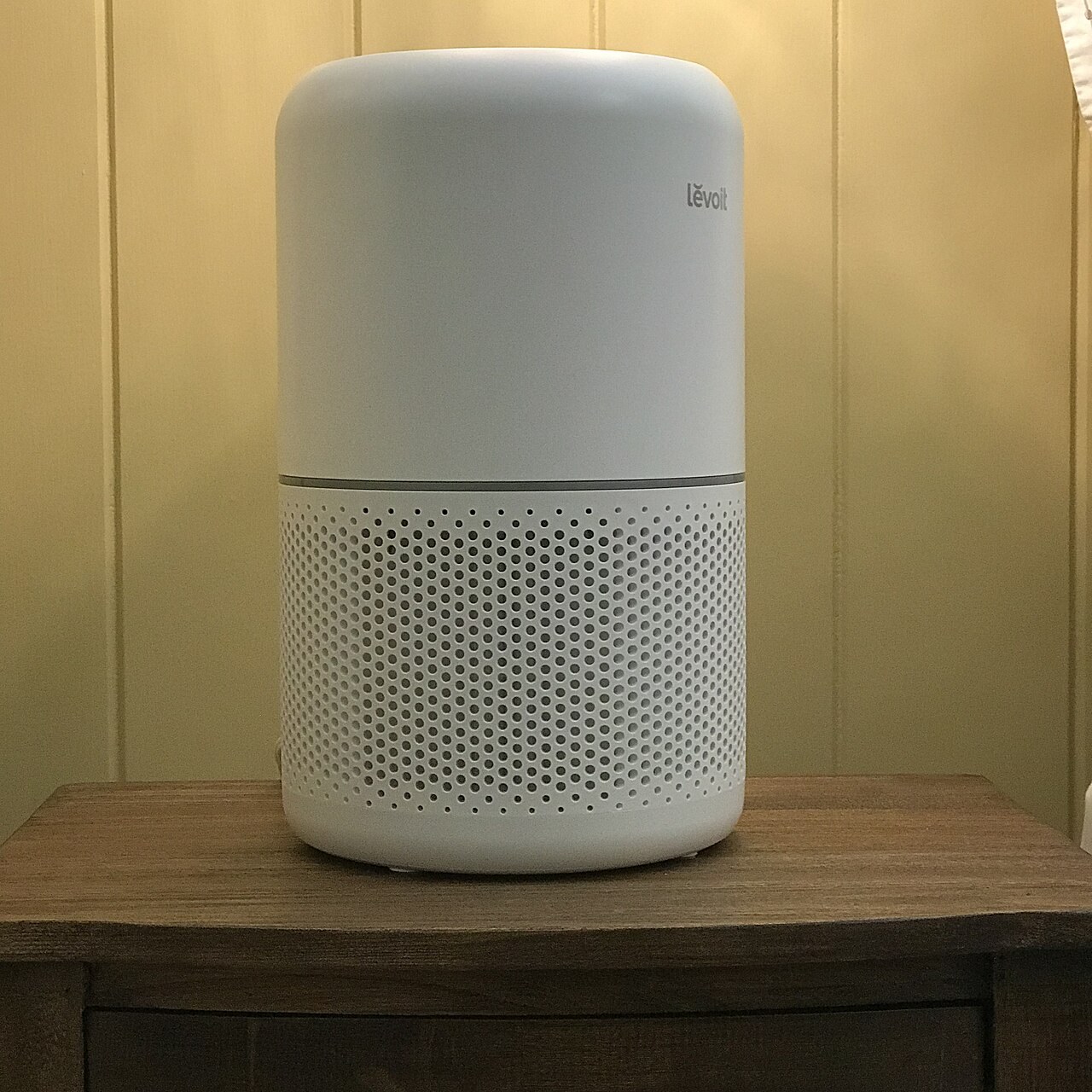
When considering a used air purifier, first identify what you want it to address. Particle filtration, odour reduction and air circulation are different functions. Read the particular model description and avoid broad health promises. This is a product-selection exercise, not a diagnosis of symptoms or indoor contamination. Match the device’s actual features to your intended use.
Read room ratings with their assumptions
Manufacturers often give floor area and CADR, an air-cleaning rate under stated test conditions. Floor area does not fully describe a room: height, open connections and selected fan speed also matter. Philips technical literature, for example, gives volume assumptions behind performance calculations. Compare the underlying conditions.
Consider whether the speed needed for your room is practical. A quiet night-mode demonstration does not show the same airflow as the maximum setting. Listen to the intended speeds and identify a position with unobstructed intake and exhaust.
Treat filters as a separate purchase
Ask for filter types and exact part numbers. Establish which were replaced and which were merely cleaned. Resetting a replacement indicator does not demonstrate a new filter. Research current availability and prices yourself before completing the purchase, because they affect the value of the appliance.
Depending on the model, Philips distinguishes washable prefilters from filters requiring replacement. Do not extend the word washable to the complete filter system. Visible dampness, torn edges or an incorrectly seated filter are specific findings to resolve first.
Observe controls and understand limits
Inspect accessible covers, catches, cable and controls. Have changes between fan speeds demonstrated. If app features matter to the purchase, include setup under your own account in the handover. An animated display or coloured ring does not demonstrate measured improvement in the room.
Do not generate smoke or spray mist for a trial. Risky artificial contamination is not a sound sensor assessment. Ask about maintenance and known errors instead. An air purifier also does not replace investigating a moisture or contamination source; include that limitation in the buying plan.
Common questions
Does a green light prove clean indoor air?
It reflects the built-in sensor’s assessment using its own method. It does not automatically cover every particle, gas or source.
Can I just wash old filters?
Wet-clean only parts explicitly identified as washable, as directed. Other filters require suitable replacement; washing can impair their intended function.