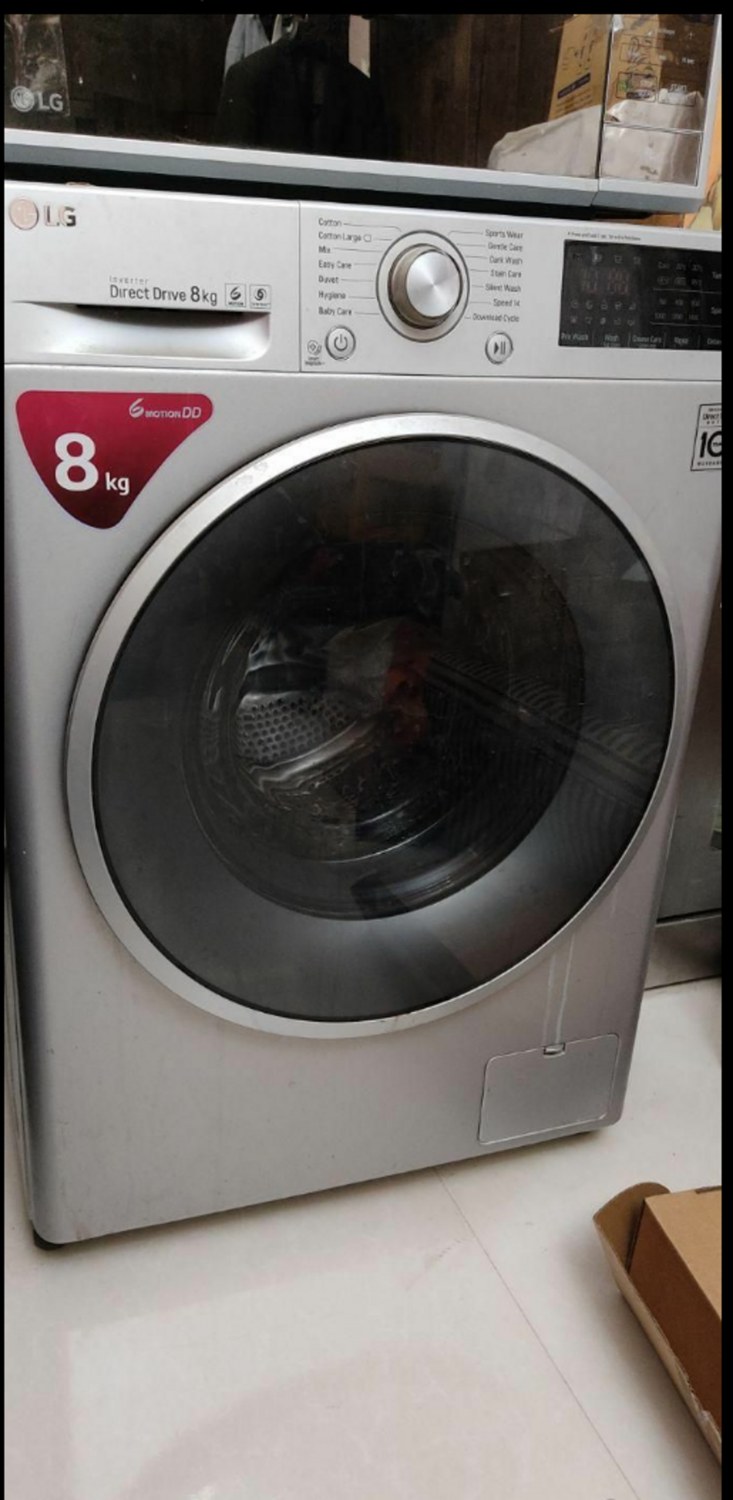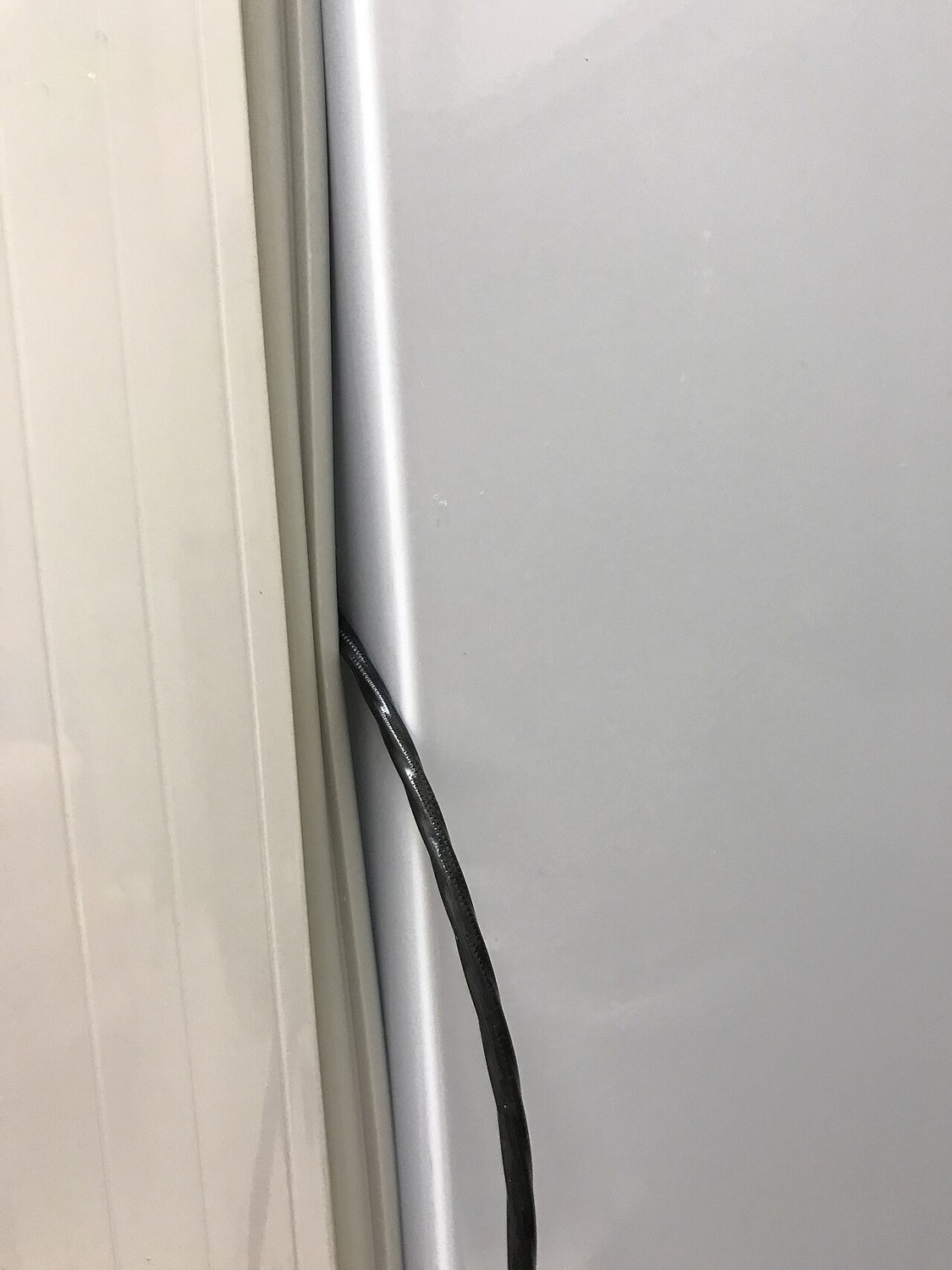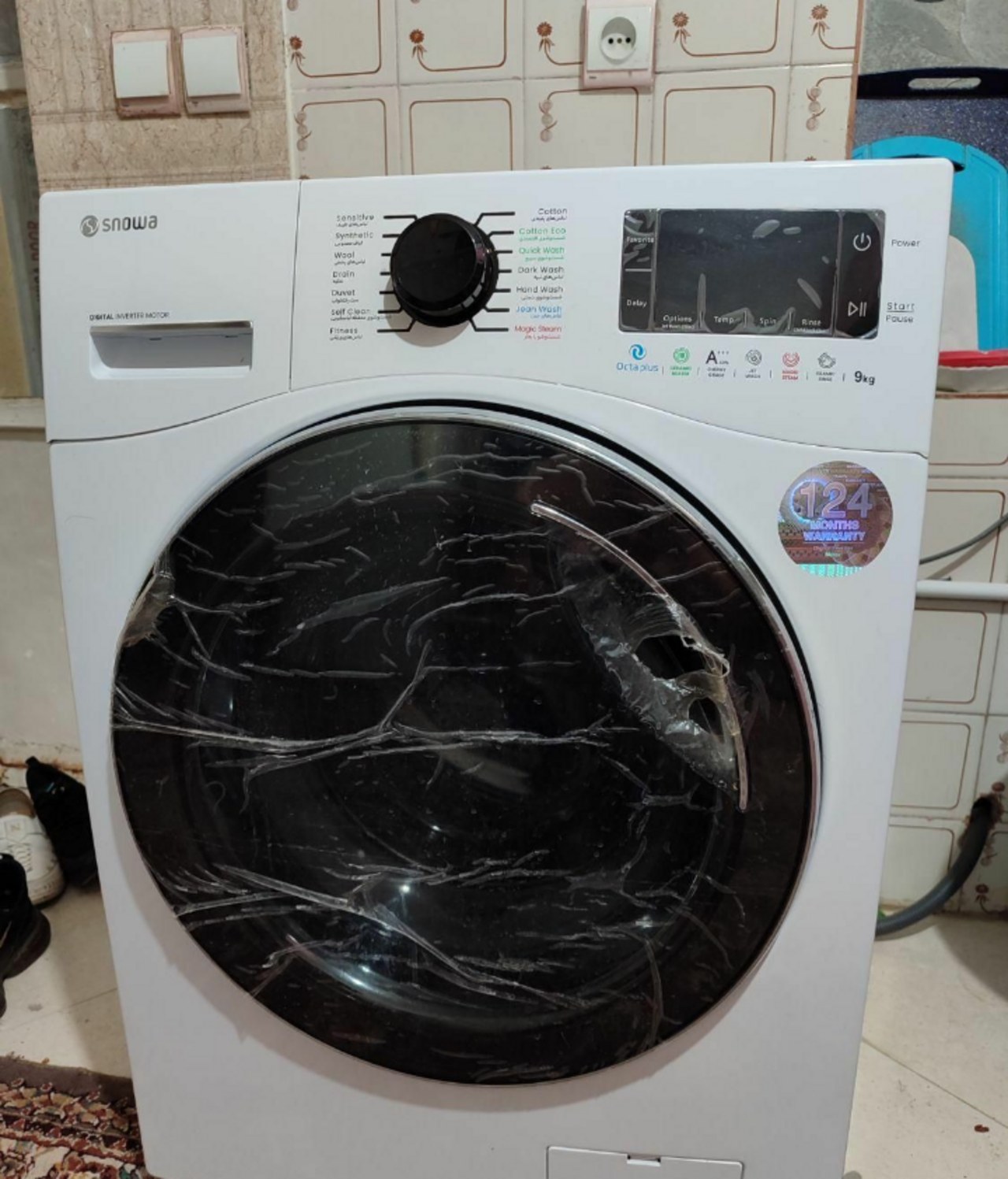
A damaged washing-machine side panel may barely be visible once the appliance is installed. Even so, a photograph of the dent is not enough to base a purchase on. Ask for the exact model, the stated defect and its previous use. An unused appliance damaged during delivery calls for different questions from a returned machine that has seen extended use.
Look at the damage in its surroundings
Request an overall view and clear close-up photographs of the affected area. Is the mark confined to an exposed panel, or does it reach the door, controls, feet or hose connections? Deformation where parts meet deserves more attention than a surface scratch. Photographs cannot establish that the inside remains undamaged.
At handover, check whether the door closes without lifting or pushing it into position. Look for cracks in the glass and visible rubber seal, inspect the hinge and check for trapped objects. Dirt on the contact area can affect sealing, so a clean door area has a practical purpose. Do not force a sticking door to fit.
Clarify the connections and included parts
Compare the supplied hoses and accessories with the manual for the specific model. Ask whether the transit restraints are included and how the appliance was moved. These protect it during transport, but must be removed as directed before operation. Seeing them in a listing photograph therefore does not establish that the machine is ready to run.
With the machine switched off and disconnected from power, inspect accessible hoses and the power cable for obvious damage. Repair tape, crushed wiring or broken connections should not lead straight to a quick trial. Keep cabinet panels closed and have a qualified professional assess these findings.
A trial needs the right installation
Switching a machine on in a warehouse may show only that its display and controls respond. It does not demonstrate filling, draining or watertight operation. Ask exactly which functions were checked and under what conditions, rather than accepting an unexplained claim that it works.
After proper positioning and connection according to the model manual, supervise the initial cycle. Bosch’s general installation guidance mentions a rinse programme and a check for leaks. Your own appliance’s instructions take precedence. If water escapes or the machine moves unusually strongly, stop the trial and have the cause investigated. Repeated spin cycles are not a sensible way to diagnose a fault.
Put it into practice
- Keep the model number, defect description and detailed photographs together.
- Inspect the door, visible seal, feet and external connections.
- Check transport parts and required hoses against the manual.
- Record the scope of testing and any unusual observations.
Common questions
Is a dent automatically just cosmetic?
No. Its position and any deformation of neighbouring parts matter. A photograph can document an external mark without confirming internal operation.
Does a short empty cycle prove everything works?
It shows only how the machine behaved during that cycle. It cannot fully assess a loaded wash, other programmes or intermittent faults.