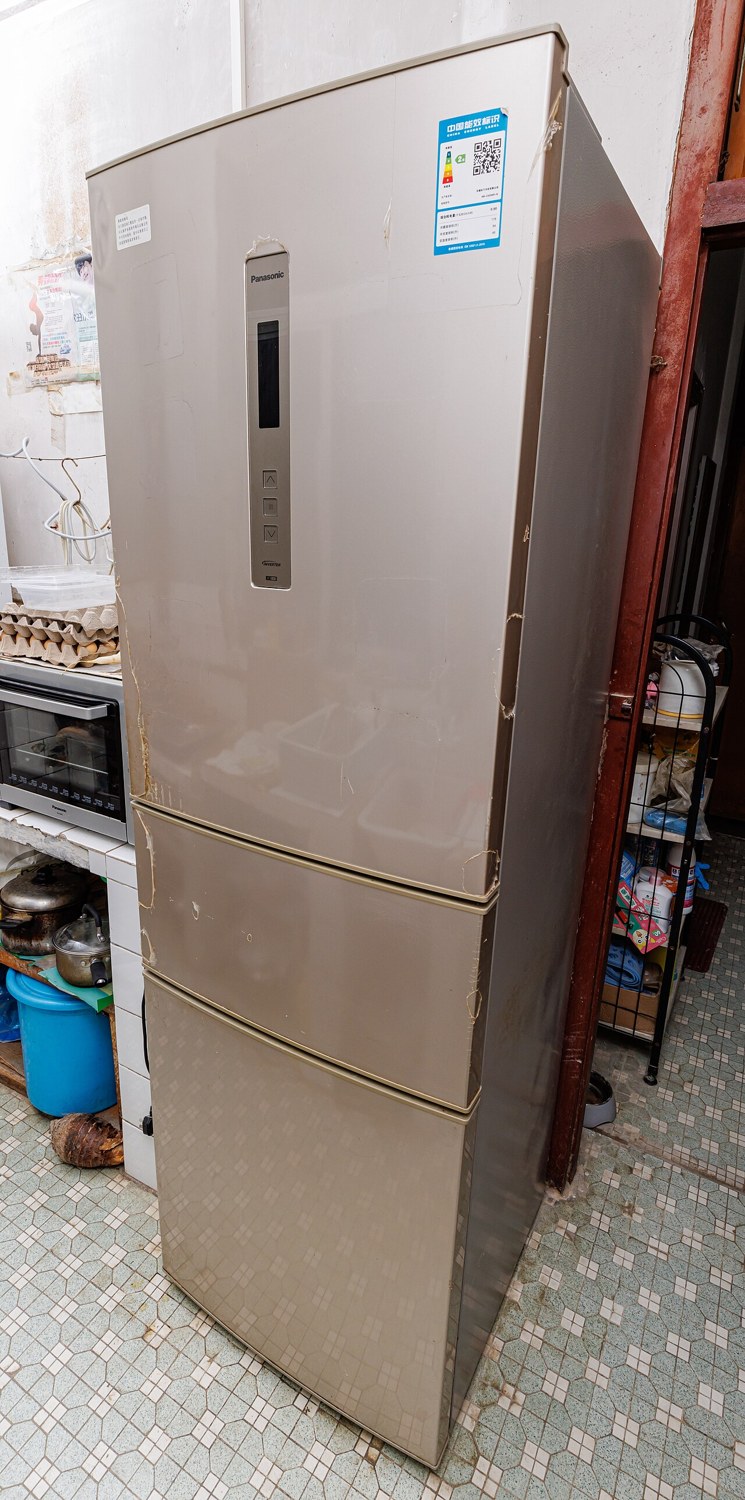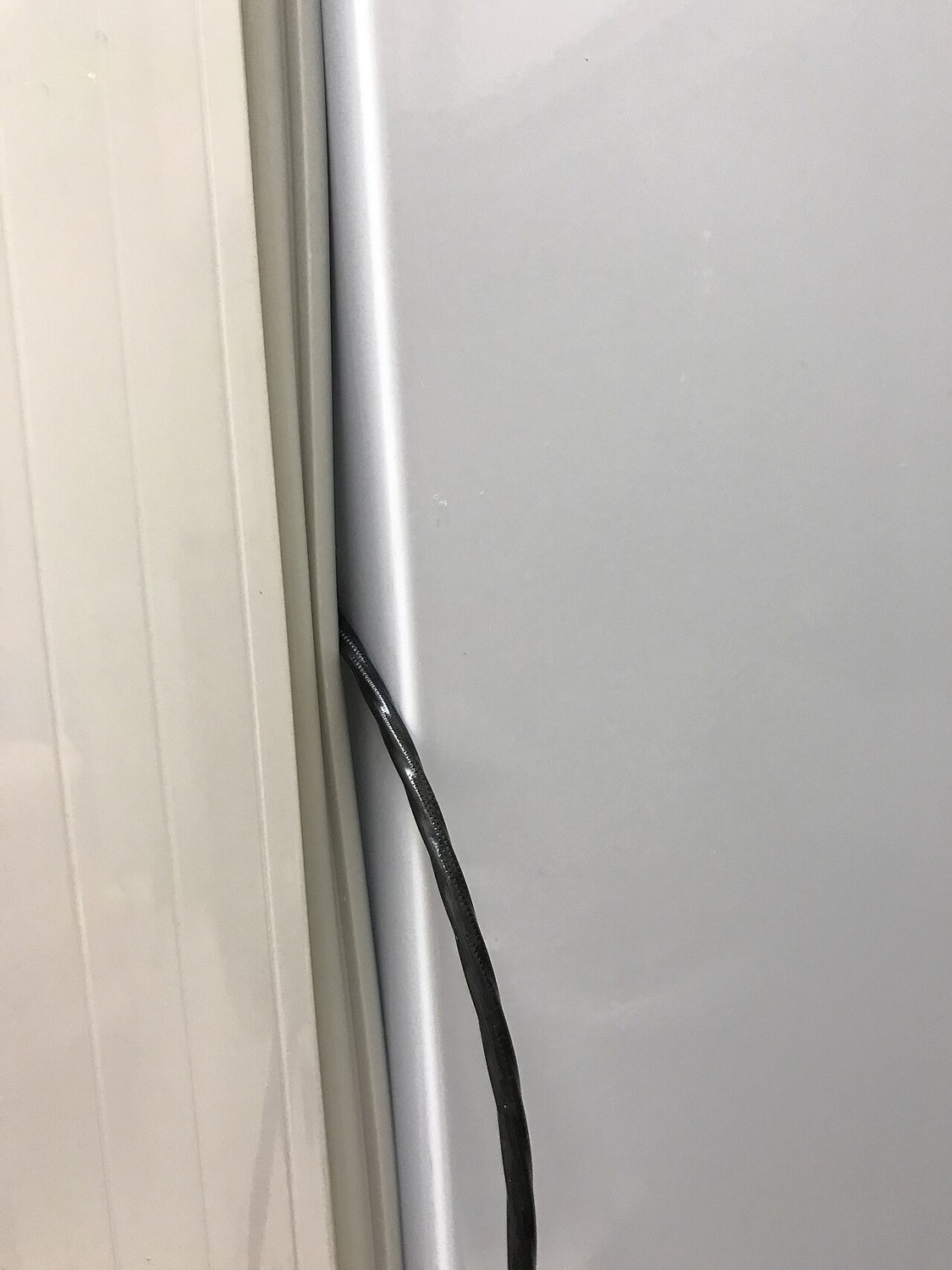
A refrigerator can look tidy while its door closes poorly. Before buying a used appliance, examine the seal along its entire length. One photograph of the lower door area can miss folded sections, splits and problems at the upper corners. Arrange a viewing with the whole door accessible rather than judging a narrow detail image.
Follow the full outline
Open the door and use good light to look for tears, loose sections and markedly distorted folds. Inspect the smooth contact surface on the cabinet as well. Residue can interfere with contact. Painted-over or glued areas need an explanation before ordinary cleaning is treated as the answer.
Do not automatically confuse discolouration with mechanical failure. Describe each finding separately: a dark deposit, a split or a corner that does not sit against the cabinet, for example. That makes photographs more useful when asking the manufacturer whether a suitable replacement part is needed.
Rule out other closing problems
Check that drawers, bulky door compartments or protruding food are not obstructing movement. Even an empty demonstration appliance needs its shelves and drawers correctly fitted. Bosch lists obstructions and incorrect levelling alongside seal problems as possible reasons for a refrigerator door failing to close properly.
Close the door normally and inspect the gap all the way round. Gently comparing how paper is held at several positions may reveal uneven contact, but it is not a standardised airtightness test. Do not treat it as proof of energy consumption or cooling performance. A replacement seal will not automatically correct a distorted door or hinge.
Plan replacement and care realistically
Find replacement parts using the complete model identifier, rather than door height alone. The profile and attachment method must match. Before buying, establish whether the seal is supplied separately and who can replace it on this design. Some work cannot sensibly be separated from the wider condition of the appliance.
Use the manufacturer’s cleaning instructions. Do not begin with strong solvents, heat or a supposed remagnetising trick from a video. After permitted cleaning, the contact surface should be dry and free of residue. If closing remains abnormal, professional assessment is more useful than pushing the door progressively harder.
Common questions
Does a paper test prove the seal works?
No. It may reveal differences around the door but depends on paper, pulling direction and construction. Consider it alongside the visual check and door behaviour.
Will any universal seal fit?
No. Similar dimensions do not establish the right profile or fixing method. Have compatibility with the exact model confirmed.