A used lens needs more assessment than a clean front element and an included cap. Mount, moving parts and recording behaviour must suit your camera. A useful inspection combines external observations with ordinary photographs without treating every visible speck of dust immediately as evidence of a serious imaging fault.
Identify the version and mechanical condition
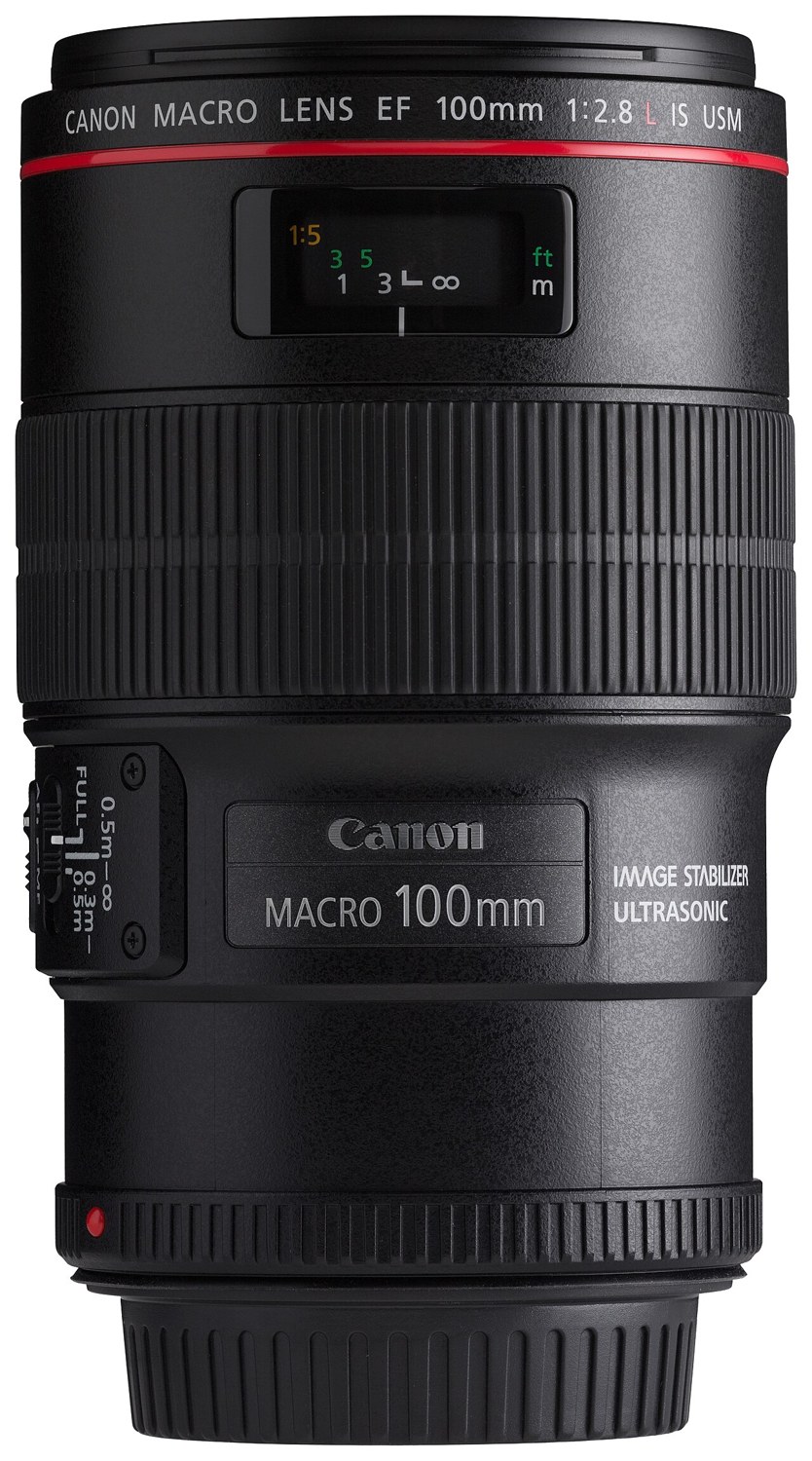
Check the full lens designation, including mount and variant. Matching focal-length descriptions do not guarantee compatibility. Confirm the autofocus and aperture functions required by your camera, particularly if an adapter is involved. Physical attachment alone cannot establish every electronic function of the combination.
Inspect the mount, contacts and enclosure for bent areas, pronounced impact marks and loose parts. Turn focus and any zoom rings with normal force. Unusual resistance, scraping and marked looseness need explanation. Do not try to free a sticking mechanism by twisting harder, because that can create damage rather than clarify its original condition.
Connect glass inspection with real pictures
Inspect front and rear surfaces in suitable light. Fingerprints, scratches, haze and branching structures are different observations. Clean accessible surfaces only according to appropriate manufacturer guidance. Do not open the lens to remove suspected internal dirt as part of a purchase inspection. That is separate specialist work.
A small visible dust particle does not by itself establish a visible picture defect. Inspect saved photographs of ordinary subjects under understandable lighting. Repeat a suspicious result using traceable settings. One extreme backlit photograph is not a complete quality comparison, although it may reveal a limitation particularly relevant to your own intended work.
Test focusing and supplied equipment
Use a compatible camera at several normal distances. Try automatic and manual focus where provided and inspect the saved results. Movement, exposure time and operation can cause blur. Do not dismiss those conditions prematurely merely because one image fails to look sharp during a quick test.
Compare caps, hood and any tripod collar with the promised contents. Nikon’s lens maintenance, for example, lists mount, focus, zoom and communication checks separately. That scope illustrates why a quick look through the glass cannot answer everything. For unresolved concerns, professional assessment may be more useful than an uncertain explanation based solely on appearance.
Common questions
Is visible dust automatically a reason to reject a lens?
Not every particle visibly affects photographs. Assess its extent, other symptoms and actual recorded results together.
Can I judge quality only from the front element?
No. Mechanics, rear surfaces, communication and focusing matter too. An unmarked front is only one observation.