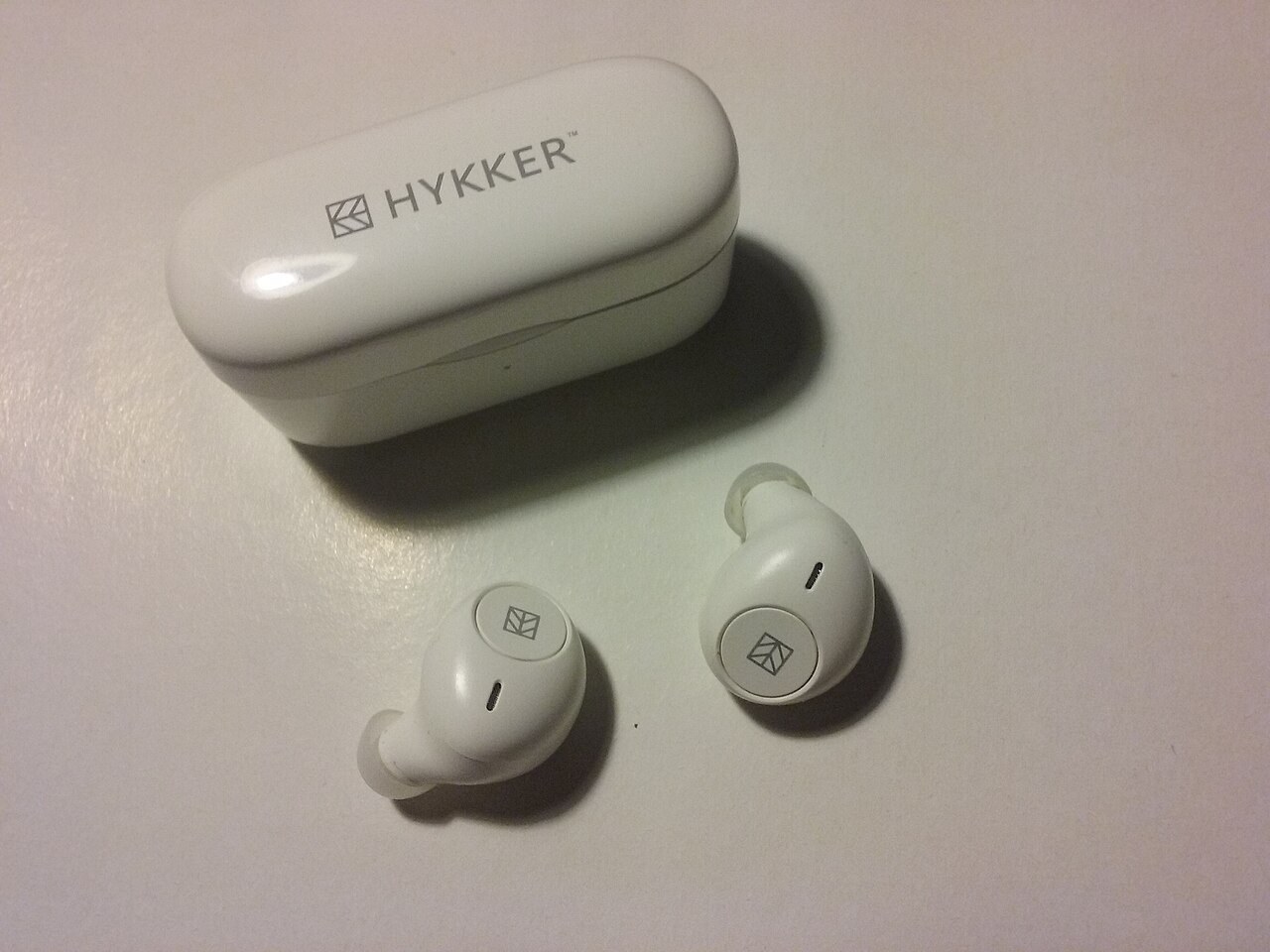
Used in-ear headphones deserve closer inspection than a large speaker. They are worn directly against the body and often contain three battery-powered components: left earbud, right earbud and charging case. A photograph of the closed case establishes neither cleanliness nor how well the components charge and operate together.
Assess cleanliness without aggressive experiments
Inspect tips, sound openings, contact areas and the recesses in the case. Visible residue should be appropriately removed before a wearing trial. Ask about new compatible tips and available sizes. Poor fit can affect sound and noise cancellation without an electronic fault, so distinguish fit from equipment condition.
Use only the cleaning instructions for the exact model. Apple’s AirPods guidance distinguishes particular areas and procedures; it is not a universal recipe for all earbuds. Sharp tools, arbitrary solvents and running water may damage delicate parts. An attractive exterior also cannot establish that a complete hygienic preparation process was performed.
Check both earbuds and the case
Place each earbud correctly in the case and check that its intended charging state is recognised. A dirty contact can affect behaviour, but is not the only possible explanation. Observe both sides instead of inferring two charged earbuds from one illuminated indicator on the case.
Listen to left and right separately at moderate volume, then together. Try controls and microphones relevant to your tasks. Small differences in displayed charge alone do not constitute a complete diagnosis; recurring failures or a clearly unusable combined listening session matter more. Record the circumstances so that any repeat observation is meaningful.
Clarify matching parts and replacement costs
Confirm the exact generation of the case and earbuds. Similar-looking components from different variants do not automatically work together. Also address normal removal from a previous account or connected devices where the model requires it. A collection of physically matching pieces is not yet proof of a correctly configured system.
Ask about available replacements and the intended procedure if one earbud or the case is missing. Cost and setup effort can change the apparent bargain. A brief check cannot measure complete runtime for all three batteries. Treat missing information explicitly rather than reading a closed case as evidence that the whole system is complete and dependable.
Common questions
Does a working case prove the whole set works?
No. Both earbuds must be correctly matched, charge and support the functions you need. Check them individually.
Are used silicone tips automatically unusable?
Their condition and intended cleaning require assessment. New compatible tips can make starting easier but do not replace inspecting the rest of the set.