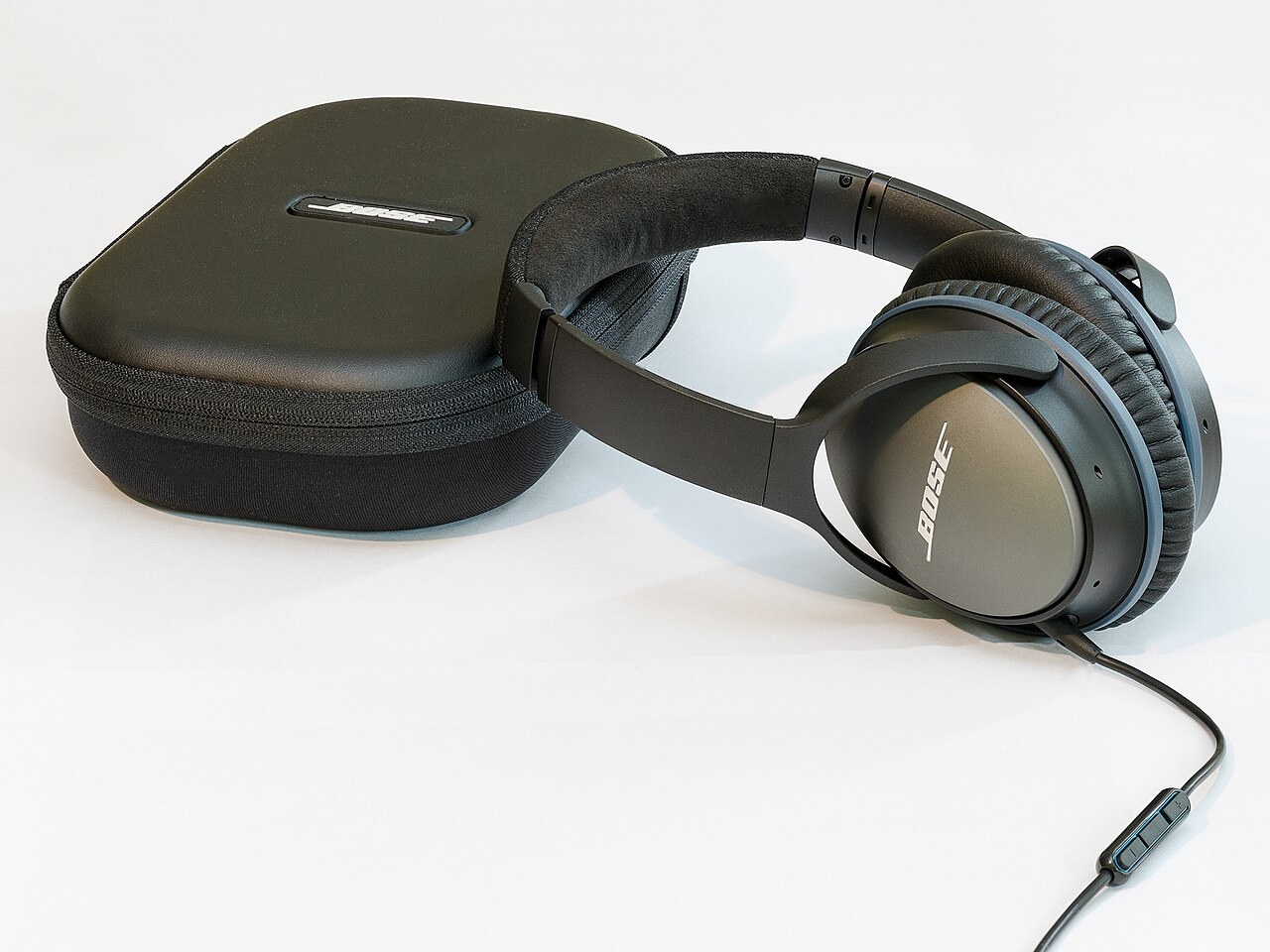
Important differences on used headphones often lie in their contact surfaces and moving parts. A brief listening test cannot establish cushion condition or battery runtime. Assess the headphones in the way you intend to use them and include appropriate replacement parts in the buying decision.
Inspect contact surfaces and fit
Look at ear cushions and the headband for cracks, peeling coverings and permanently compressed areas. Odours and visible residue also belong in the assessment. A clean surface alone does not establish how well a cushion seals or how comfortable it will remain over a longer listening session.
After appropriate cleaning, briefly check how the model fits. Glasses, head size and cushion shape affect comfort and sound. Before buying, ask about suitable replacement cushions and the intended replacement procedure. Similar-looking pads may attach differently or alter acoustics, so physical resemblance is not enough to identify a suitable replacement.
Try adjustments and functions deliberately
Move size adjustments and folding joints only within their intended range. Look for uneven resistance, loose mountings and visible cracks. Do not snap hinges shut to test their strength. Everyday operation needs controlled movement rather than deliberate overload that might create damage instead of revealing existing wear.
Check both audio channels with familiar material at moderate volume. Try buttons, microphone and available noise cancellation separately. Different operating modes can sound different. Record settings and connection method if an issue recurs rather than attributing every change immediately to a damaged driver without considering the listening conditions.
Include charging on wireless models
Inspect the connector and cable and observe ordinary charging behaviour. A high displayed charge level does not establish long usable runtime. Ask about known shutdowns and whether battery replacement is provided or practical. A brief listening session can answer that question only to a limited extent.
Follow the exact manufacturer cleaning instructions. Sony, for example, provides model-specific care for cushions and enclosures that cannot be transferred indiscriminately to every material. Include necessary cushions and service costs in the total. This lets you compare usable complete arrangements rather than simply two pairs of headphones with a similar appearance.
Common questions
Do new cushions mean complete refurbishment?
No. They renew contact surfaces but do not inspect joints, electronics or battery condition. Ask what other work was performed.
Can I immerse headphones to clean them?
No, unless the manufacturer explicitly provides that procedure for the particular part. Electronics and different materials require different care.