A sales photograph cannot reveal a smell. After unpacking, assess it before reaching for fragrance or harsh cleaning products. The source determines which next step is sensible.
Locate the smell and its circumstances
Separate the item from its packaging and identify where the smell remains. Note whether it comes from the box, a removable cover or an accessible interior compartment. Describe your observation without turning it into a chemical or health diagnosis. Ask about storage, smoke, animals and previous cleaning products where these details affect your decision. Do not operate an appliance again if you notice a burning smell or electrical abnormalities. Brief airing cannot prove that an unknown residue is harmless. If the smell remains strong or its source cannot be identified, clarify the condition with the supplier before attempting further treatment.
Treat only identified materials
Look for care instructions first. A removable cover is not automatically washable, and an accessible container does not tolerate every cleaning agent. Remove only components intended for routine care. In a refrigerator, for example, the interior and seal require their respective instructed treatment, with moisture kept away from electrical areas. Cleaning should remove residues rather than cover them with another fragrance. Do not mix products or apply a universal household recipe to an unknown coating. Document unusual areas before treatment, particularly when the condition differs from the description and needs to be discussed with the seller first.
Include effort and limitations in the decision
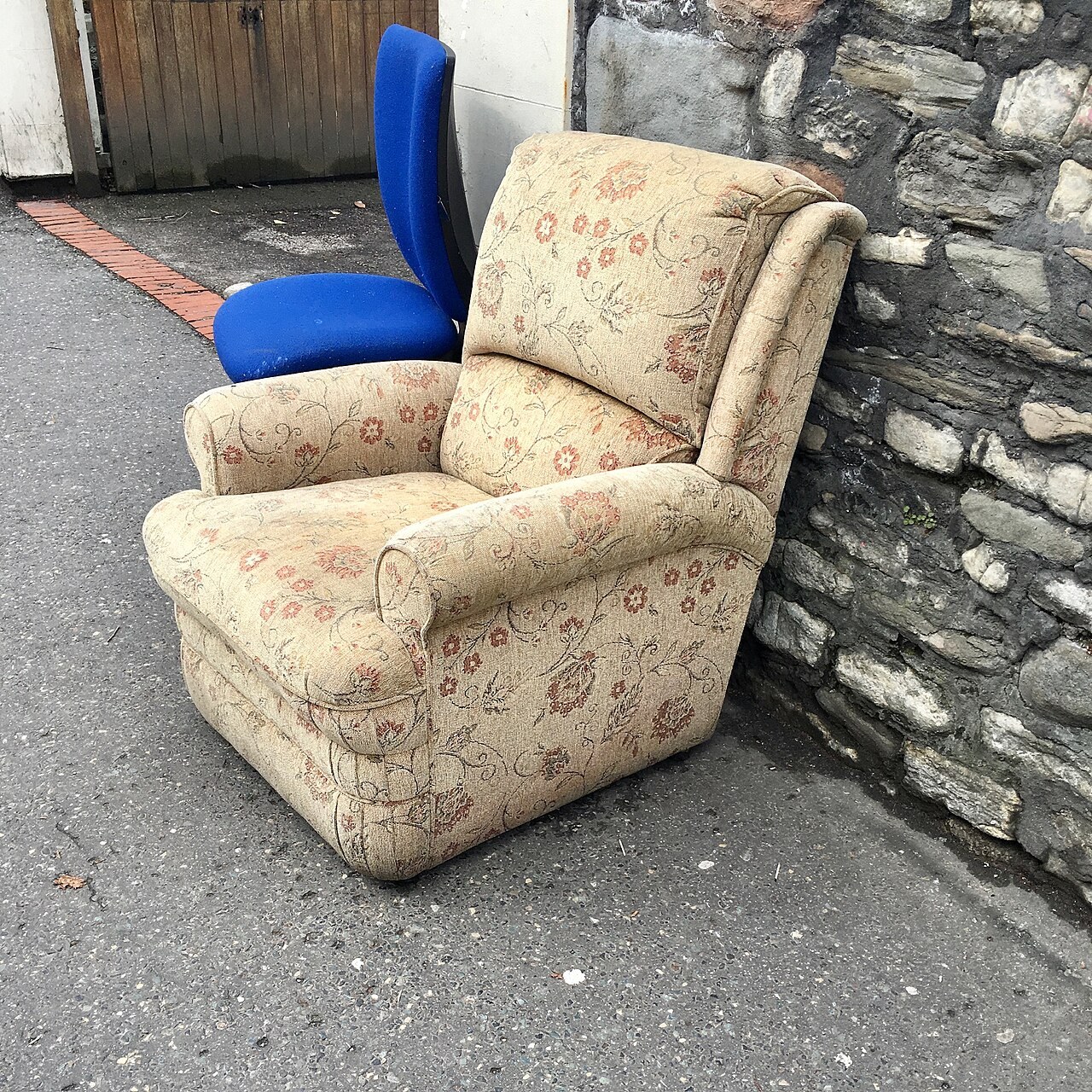
Smells held in deep upholstery or inaccessible layers may behave differently from dirt in a plastic container. Do not assume a surface treatment will provide a complete, reliable solution. For valuable or delicate items, consider a professional opinion about what can reasonably be cleaned. Compare that effort with the usefulness of the product. If the cause remains unknown, a clear explanation to the seller is more useful than a succession of increasingly strong chemicals. Keep photographs and notes of the arrival condition. If you later pass the item on, mention any remaining smell even if it barely bothers you personally; another person may judge it differently.
Common questions
Does a smell prove the item is faulty?
No. Smell alone cannot establish a diagnosis. It can still affect usability and your purchasing decision, so an unexplained source should not simply be masked.
Should I start with fragrance spray?
It can make the original condition harder to assess and does not necessarily remove the cause. Establish the material, care requirements and source first.