For a used toaster, examining the cold appliance is more useful than immediately inserting bread. Identify the model and find its cleaning instructions. Some parts are intended for removal, while others remain fixed. Do not open the cabinet for a buying inspection or scrape inside with metal tools. Establish whether an ordinary demonstration is appropriate first.
Inspect the tray and exterior
Remove the intended crumb tray with the toaster unplugged. Check that it is complete, visibly undistorted and seats normally when replaced. Thick old deposits indicate maintenance work. Burnt-through areas or cracked components are different from ordinary dirt.
Examine the cable, plug, feet and external joints. Stable support matters during use. Keep the toaster clear of combustible items and curtains. Philips also calls for regular crumb removal in its instructions, although an emptied tray does not establish that the whole interior is clean or undamaged.
Judge controls in the right context
Check that settings and buttons are legible and intended accessories, such as a warming rack, are complete. The lever does not necessarily remain down while unplugged on every model. Do not classify this behaviour as a fault without checking the instructions.
Have normal loading, cancellation and removal demonstrated. Even with the plug removed, avoid reaching carelessly among sharp or delicate internal parts. A stuck piece of bread does not justify inserting metal into the slots or bypassing a latch. If unsure, limit the inspection to the exterior.
Supervise the demonstration
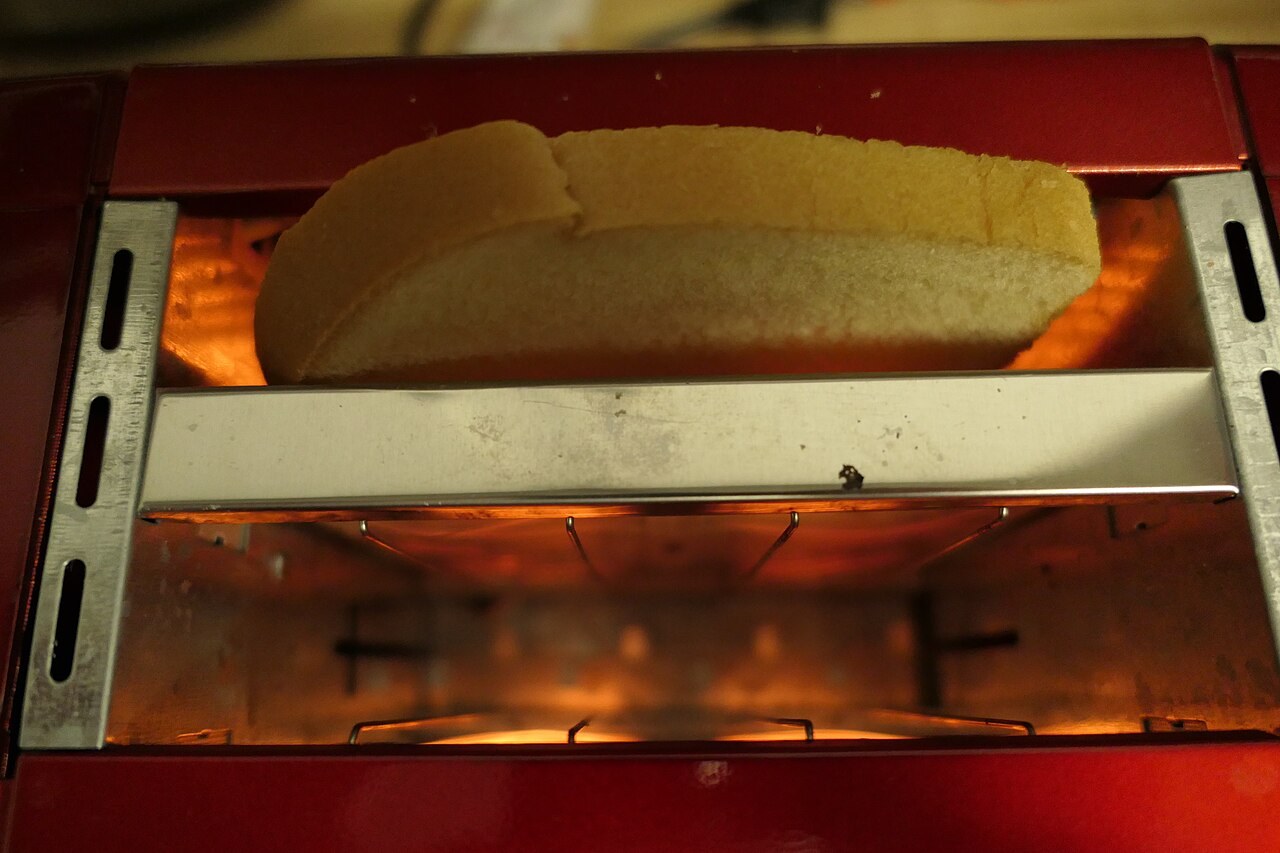
Only after an unremarkable exterior check, run an ordinary cycle with suitable bread as directed. Use a clear stable position. Observe switching off, ejection and any stop button. Unusual smoke or a burning smell is a reason to stop immediately and have the cause investigated.
Browning differences may reflect bread and settings. Use similar slices and record the chosen level rather than drawing a general performance verdict from one slice. A successful demonstration does not show that hidden electrical components have received a professional inspection.
Common questions
Must both sides brown identically?
Design and particular programmes can allow differences. Compare normal operation as directed using similar slices and a recorded setting.
Can I bend heating elements back into shape?
No. Visible internal damage requires qualified assessment. Tools inside a slot can cause additional damage and danger.