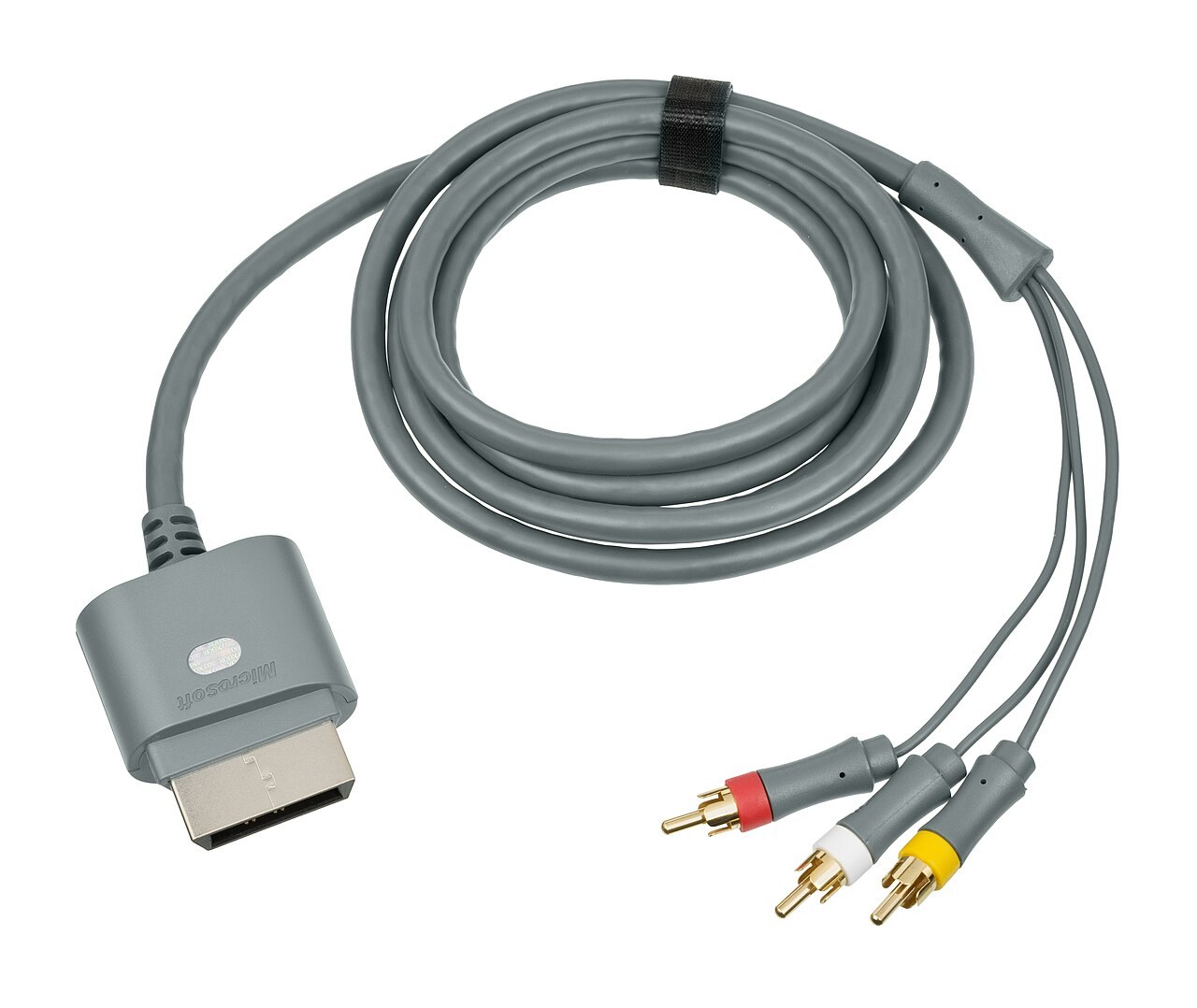
A discounted returned product can be a sensible purchase. A fair comparison needs the same usable package on both sides, including necessary accessories, delivery and realistic running requirements.
Calculate the ready-to-use package
Add the expenses definitely required to use the product to its advertised price. These may include a power supply, bracket, filter, fasteners or professional installation. Use replacement parts that are available and confirmed to match the model. A theoretical price in an old listing is of little help when the part cannot be supplied. Separate essential additions from optional upgrades you would personally enjoy. For an illustration using invented figures, a product costing 180 euros plus 35 euros of necessary accessories totals 215 euros before delivery. This is arithmetic, not a market quotation; it shows why the headline reduction alone cannot establish a saving.
Compare operation on the same basis
Compare consumption figures only when the unit of use and product category match. Energy labels and product information help identify that basis. An annual figure cannot be compared directly with a per-cycle figure. For your own estimate, multiply the relevant energy consumption by assumed use and your electricity price. Label those assumptions clearly. Water, consumables and regularly required filters may also matter. Avoid counting the same expense twice. For a printer, the condition of existing consumables influences the initial cost; for a vacuum cleaner, suitable bags or a replacement filter can alter the amount needed before normal use.
Keep uncertainty visible
Mark each cost as confirmed, estimated or unresolved. An unknown battery condition is not a definite replacement expense, but it is a reason to ask a question. Consider different scenarios, such as keeping the existing accessory or replacing it later. Do not assume a universal product lifetime. Repairability, intensity of use and your actual needs influence the comparison. Think about transport arrangements and waiting time without assigning invented monetary values to them. If the offer remains attractive only under particularly optimistic assumptions, resolve those assumptions before buying. A short transparent cost list will then tell you more than an impressive discount percentage.
Common questions
Should I add a standard allowance for repairs?
Use specific evidence and reliable quotations instead. An invented repair figure can distort the comparison just as much as ignoring a known problem.
Does lower consumption always mean lower overall cost?
No. Purchase cost, actual use and other expenses belong in the same comparison. A consumption advantage must relate to an equivalent task and your usage.