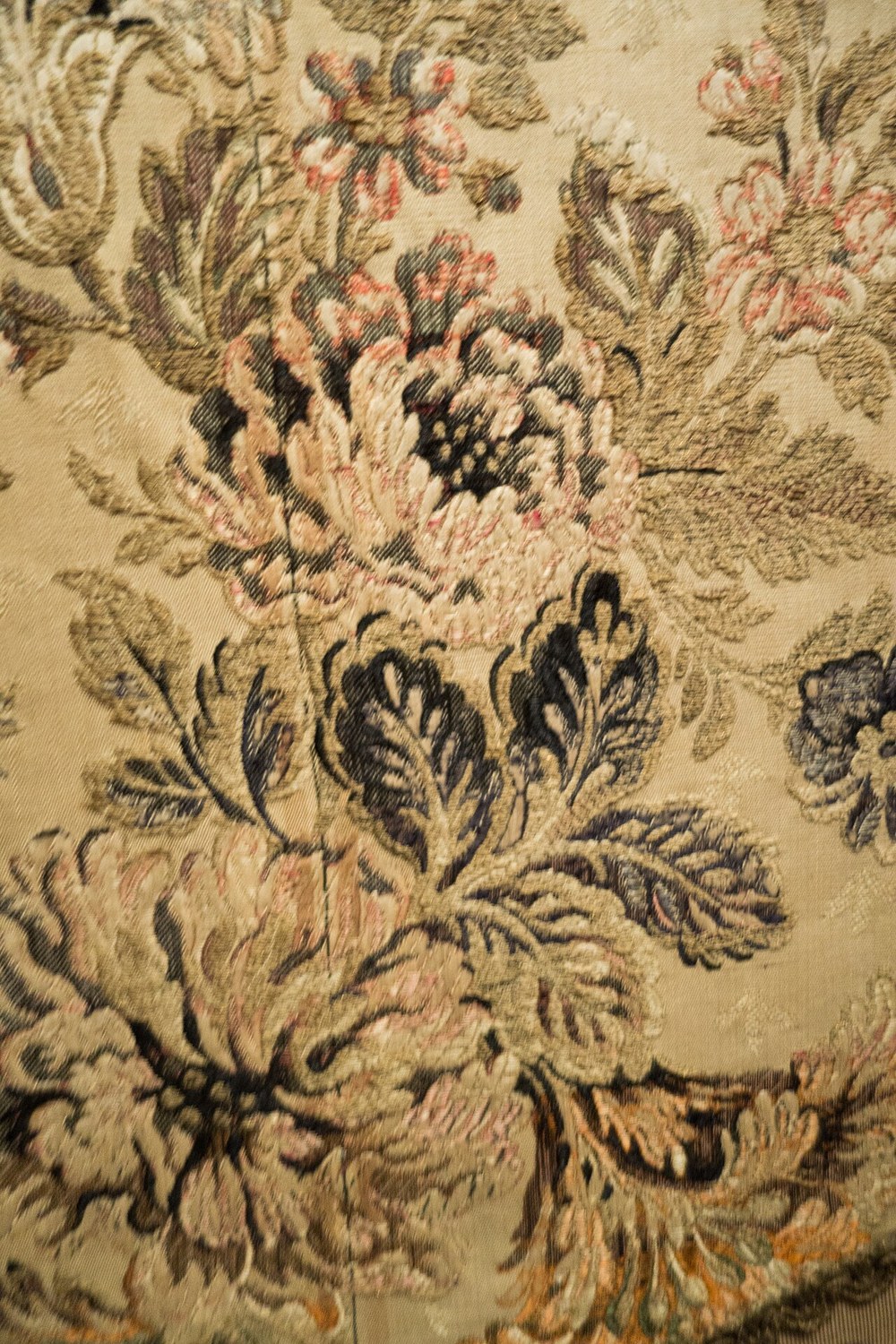
The visible fabric is only part of upholstered furniture. The cover, filling, adhesives and supporting structure may react differently to moisture. Care therefore begins with identification rather than a universal cleaning solution.
Find the actual care approval
Look for the label and model information. A zip does not automatically mean that the complete cover may be washed. Some openings serve manufacturing or the replacement of particular components. Check covers individually because different pieces may have different requirements. Use care symbols and explicitly described procedures rather than deriving a washing temperature from fibre type alone. If upholstery has been altered or the cover is unknown, the original model instructions may have limited relevance. Ask the seller about changes and available documentation. When reliable identification is impossible, professional assessment is often more sensible than washing everything and potentially changing shape or colour.
Treat a small area first
Remove loose surface dirt with an appropriate gentle method. Test a permitted product on an inconspicuous area and wait for it to dry completely before judging the result. A wet area that immediately looks fine does not establish whether a ring or colour difference will appear later. Work sparingly and avoid soaking unknown layers. Rubbing can enlarge a mark and disturb the surface, so follow the intended technique. Do not mix products. Steam, wet extraction and solvents are different methods with different requirements. Equipment advertised for upholstery is not automatically suitable for the particular piece of furniture and its underlying construction.
Plan drying and realistic expectations
After an approved damp treatment, allow complete drying under suitable conditions. Do not refit or use components too quickly merely because the surface feels dry. Allow enough time and a location where clean covers will not become dirty again. Cleaning cannot turn worn, faded or damaged material into new fabric. Deep smells and old unidentified stains may also remain uncertain. Before professional treatment, ask which improvement is realistic and what risks exist. Record the original condition and care instructions. You can then assess the outcome against a clear starting point instead of expecting the appearance of flawless new furniture.
Common questions
Can every removable cover go in a washing machine?
No. Removability and washability are separate properties. Follow the specific cover label and the relevant manufacturer instructions rather than assuming either.
Why let the test area dry first?
Moisture can temporarily change colour and appearance. Rings, distortion or colour differences may become visible only after the treated area has dried completely.