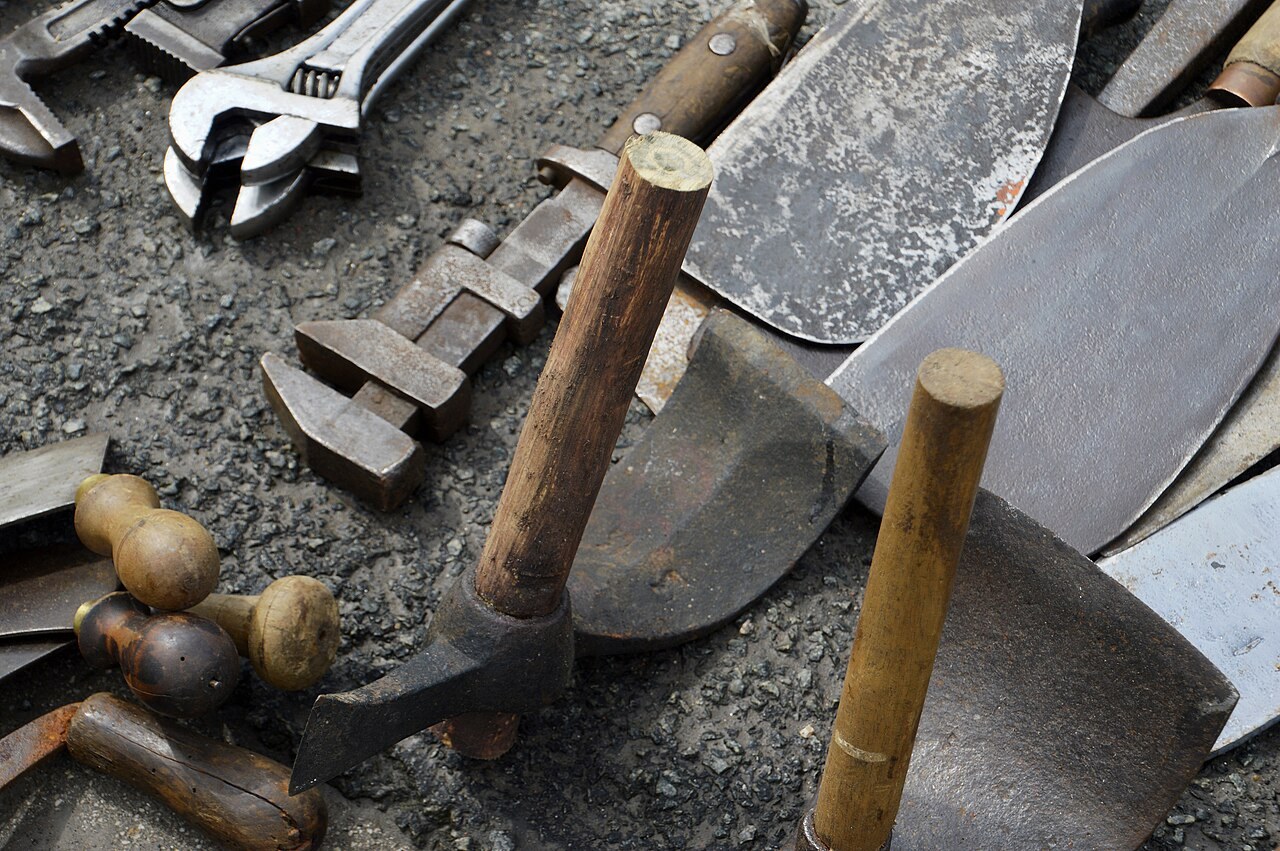
Used hand tools can remain useful for a long time when their working surfaces and joints are sound. Assess each item rather than buying a set by quantity alone. A screwdriver, pliers and hammer have different critical areas. Establish the intended application before dismissing a visible mark as unimportant or treating a freshly polished tool as ready for every task.
Look at working surfaces, not just plating
Inspect screwdriver tips for chipped or heavily rounded sections. On pliers, the shape and condition of jaws or cutting edges matter. Do not confuse intentional geometry with damage. Compare the exact tool version with manufacturer information where uncertain.
For striking tools, inspect the head and handle attachment without conducting forceful experimental blows. Loose mountings, visible cracks or breaking edges are not cosmetic details. Fresh paint can conceal original condition; ask about earlier modifications or repairs.
Separate movement from corrosion
Gently open and close moving tools through their intended range. Knipex explains that hardened oil can be one cause of stiff joints, for example. This does not establish that lubrication will repair every sticking joint. Record visible play, stiffness and surface condition separately.
Surface rust and deep material damage need different assessment. Knipex notes that tool steel can rust under suitable conditions too. Scraping or aggressive sanding at a viewing changes what is being examined. Have suitability assessed if an edge or structural connection appears corroded.
Do not infer application from handles
Plastic grips do not automatically make pliers suitable for electrical work. Markings, intended application and condition must agree. An ordinary purchase check is not a test of safety-related properties. Do not use unknown used tools on live electrical parts.
Calculate cleaning, required additions and matching replacement separately. Work with particularly demanding requirements may justify a new tool with understandable specifications. A useful set contains appropriate sizes and sound working surfaces; ten damaged items do not become economical because they arrive in an attractive storage case.
Common questions
Can I grind every damaged tip back into shape?
No. Geometry, material and treatment may determine performance. Unapproved grinding is not a universal repair method.
Does any rust require disposal?
Not universally. Depth, location and effects on working or structural areas matter. Keep an uncertain tool out of use pending assessment.