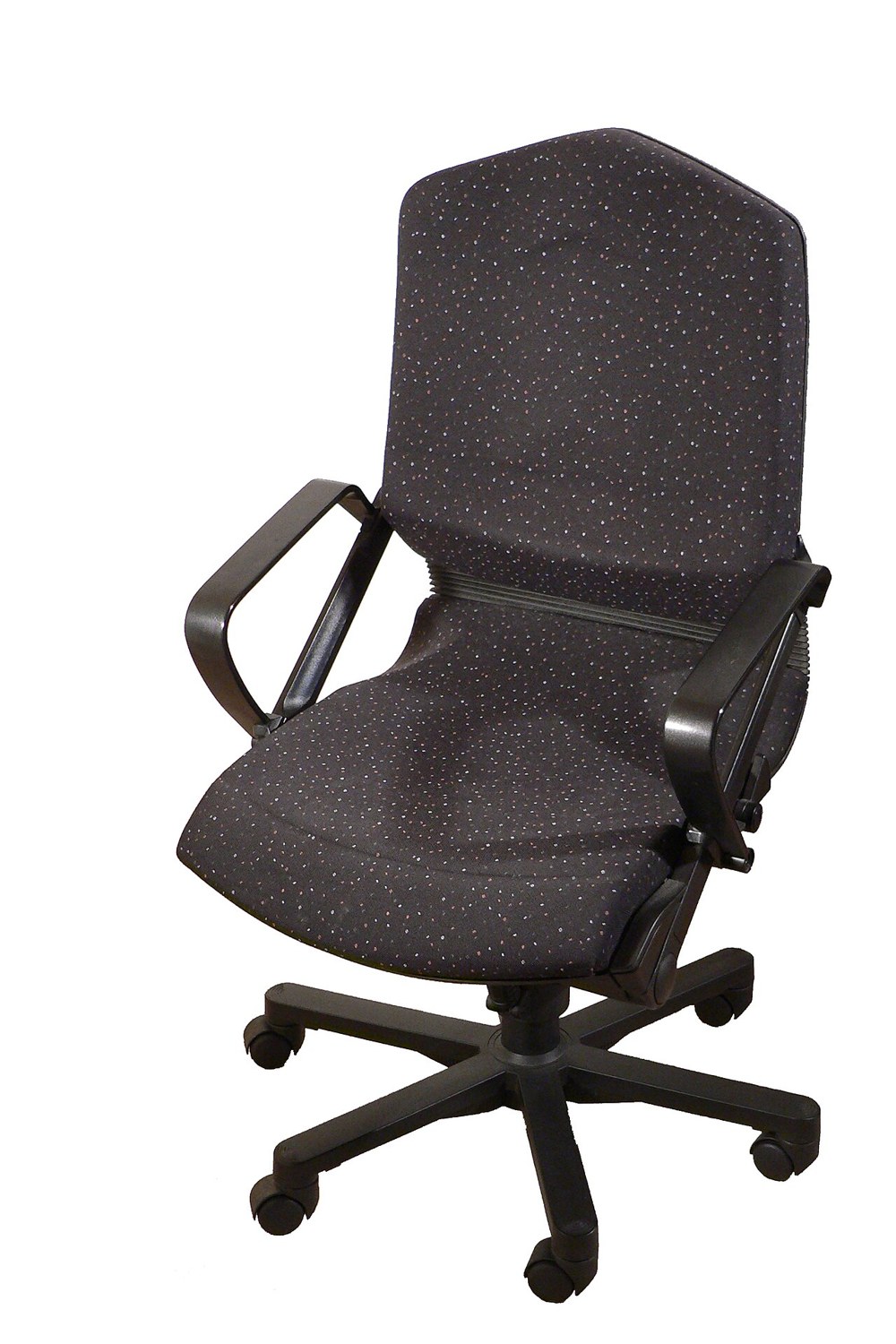
Used office chairs: mechanisms and adjustment ranges
A brand name does not establish the fitted options or whether the chair suits your workstation.
Read article ↗Make sense of materials, mechanisms and wear.
A brand name does not establish the fitted options or whether the chair suits your workstation.
Read article ↗
Assess the frame, controls and usable height range as one system.
Read article ↗
Separate questions about the finish from the stability of the frame.
Read article ↗
The thin wood surface and the substrate beneath it can show different kinds of damage.
Read article ↗
Resolve sitting comfort, cover care and the route into your home before collection.
Read article ↗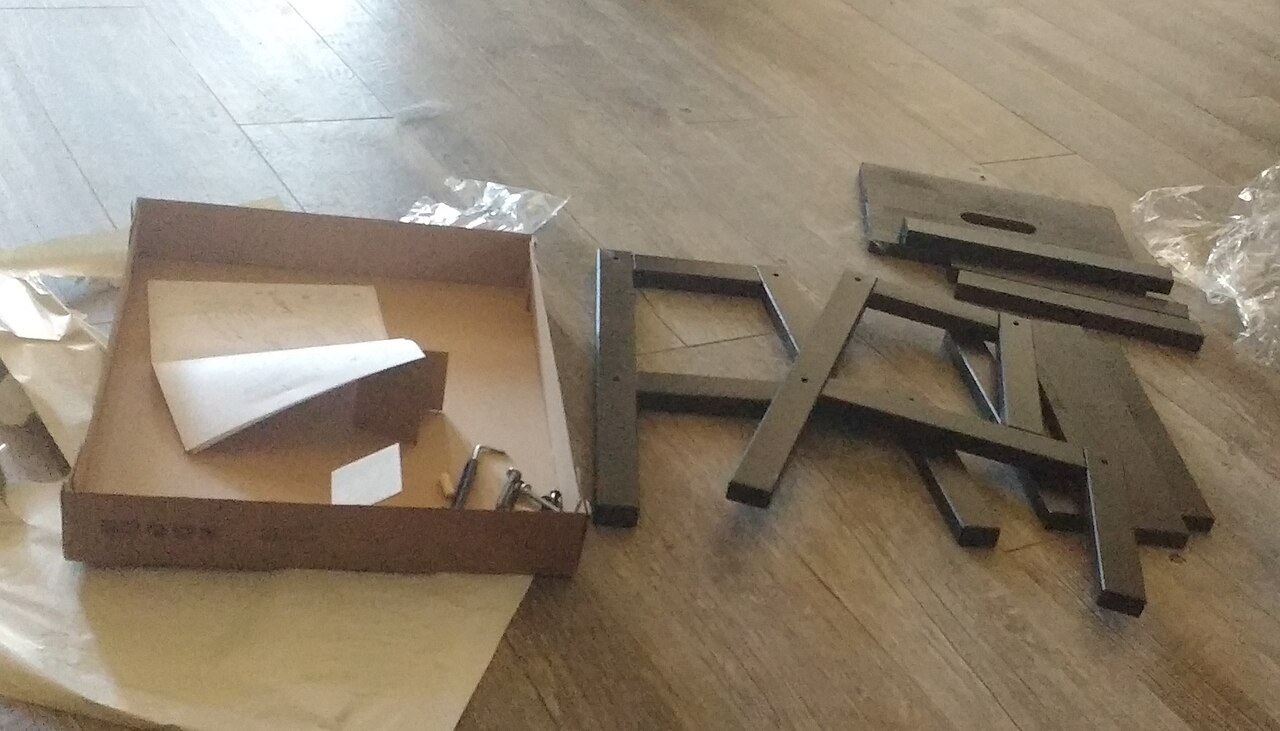
A complete parts overview helps more than a claim that everything worked before dismantling.
Read article ↗
A shelf unit needs its intended fittings. Standing in a showroom does not establish safe use.
Read article ↗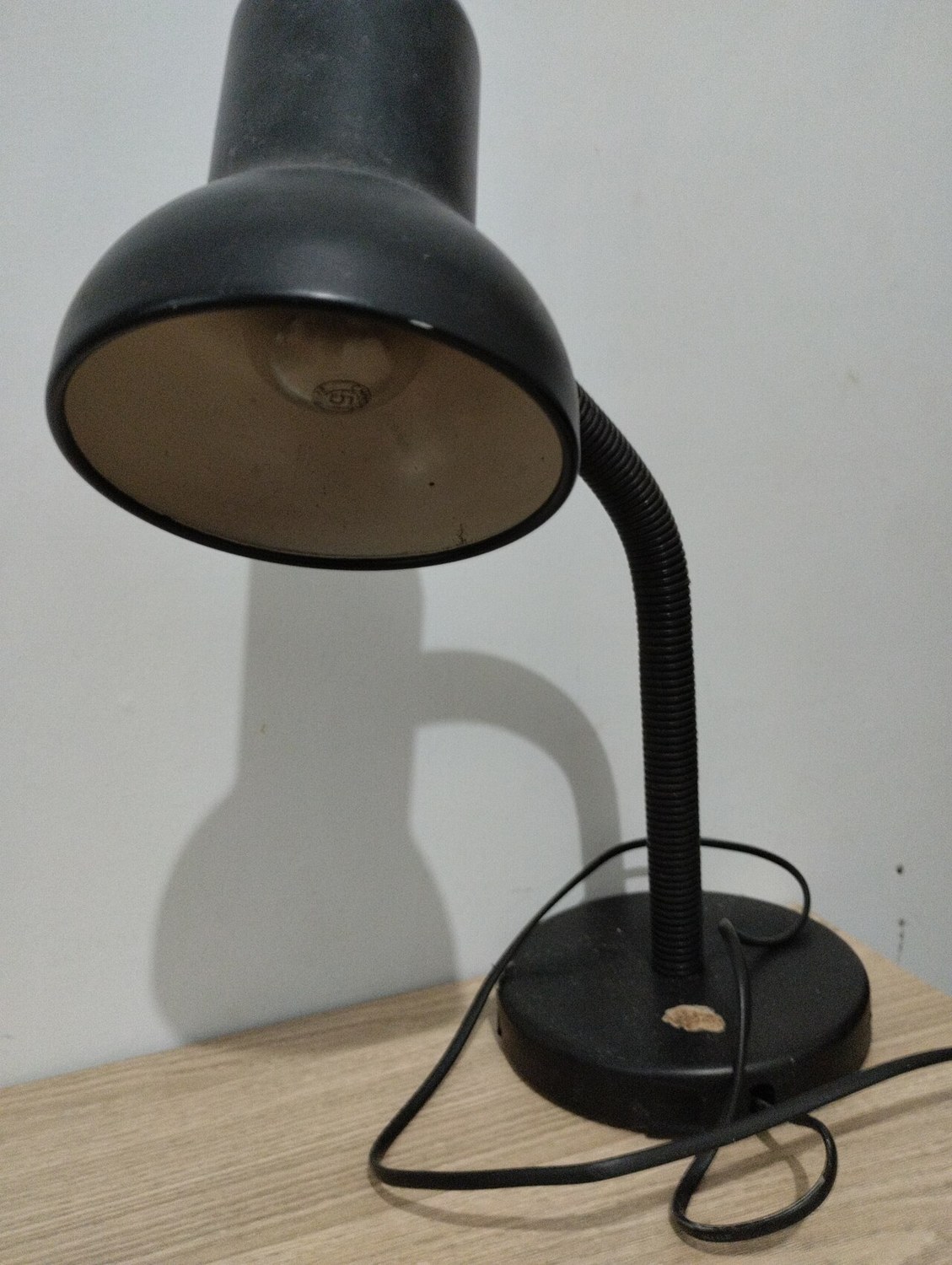
A working bulb does not establish electrical safety of the complete fitting.
Read article ↗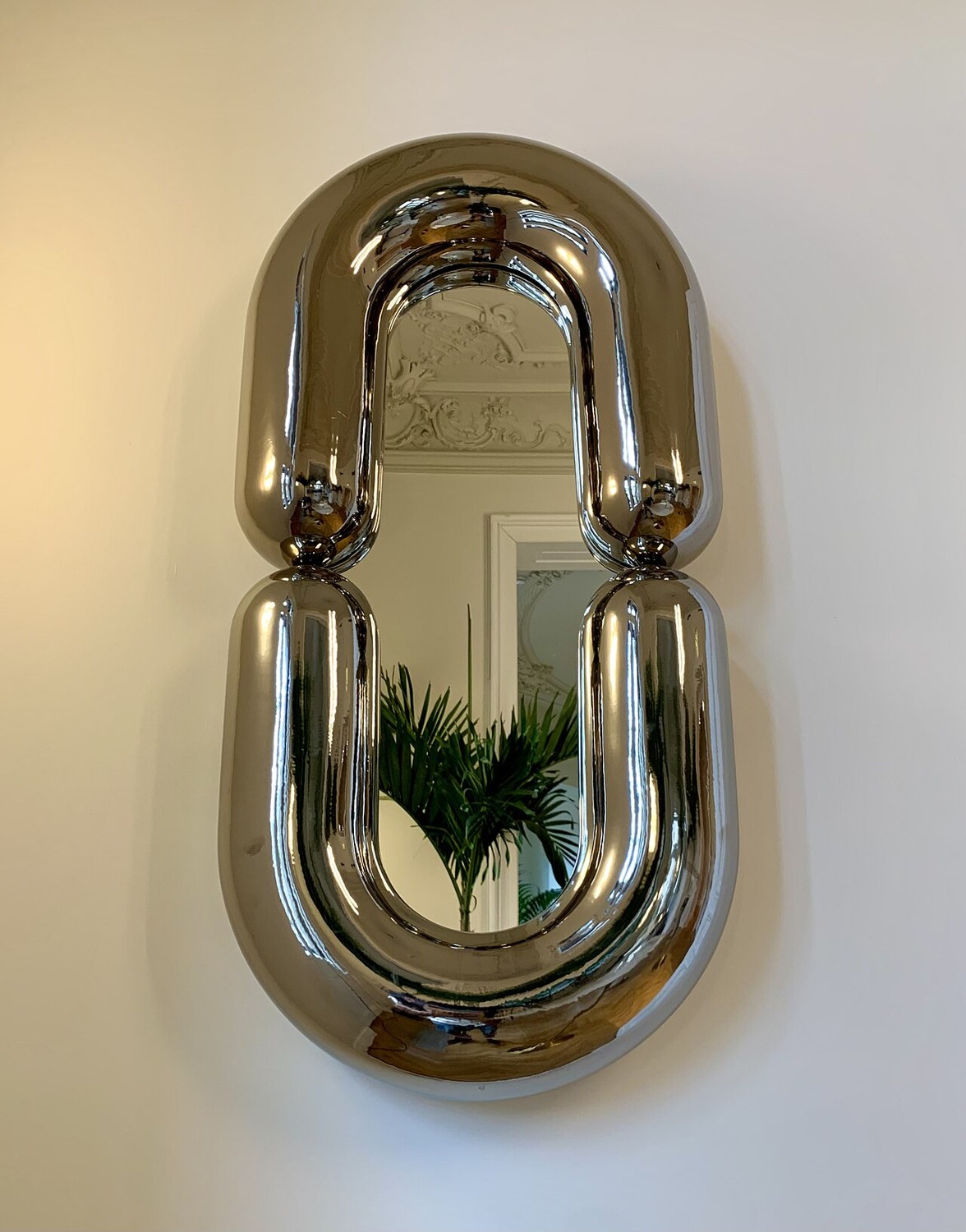
Intact glass is not enough. Inspect the back and the complete hanging system too.
Read article ↗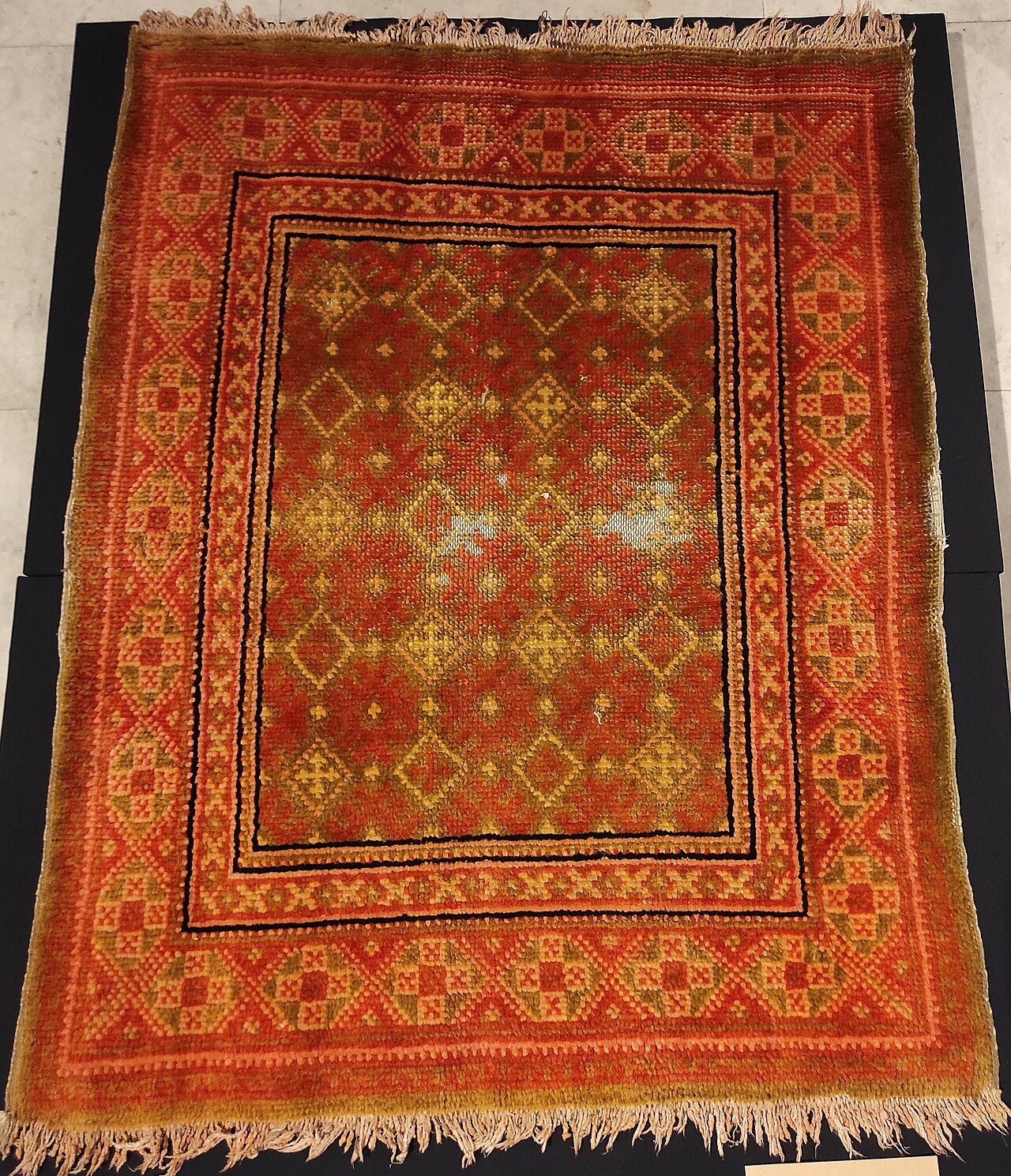
Pile is only one side. Backing, edges and care information matter too.
Read article ↗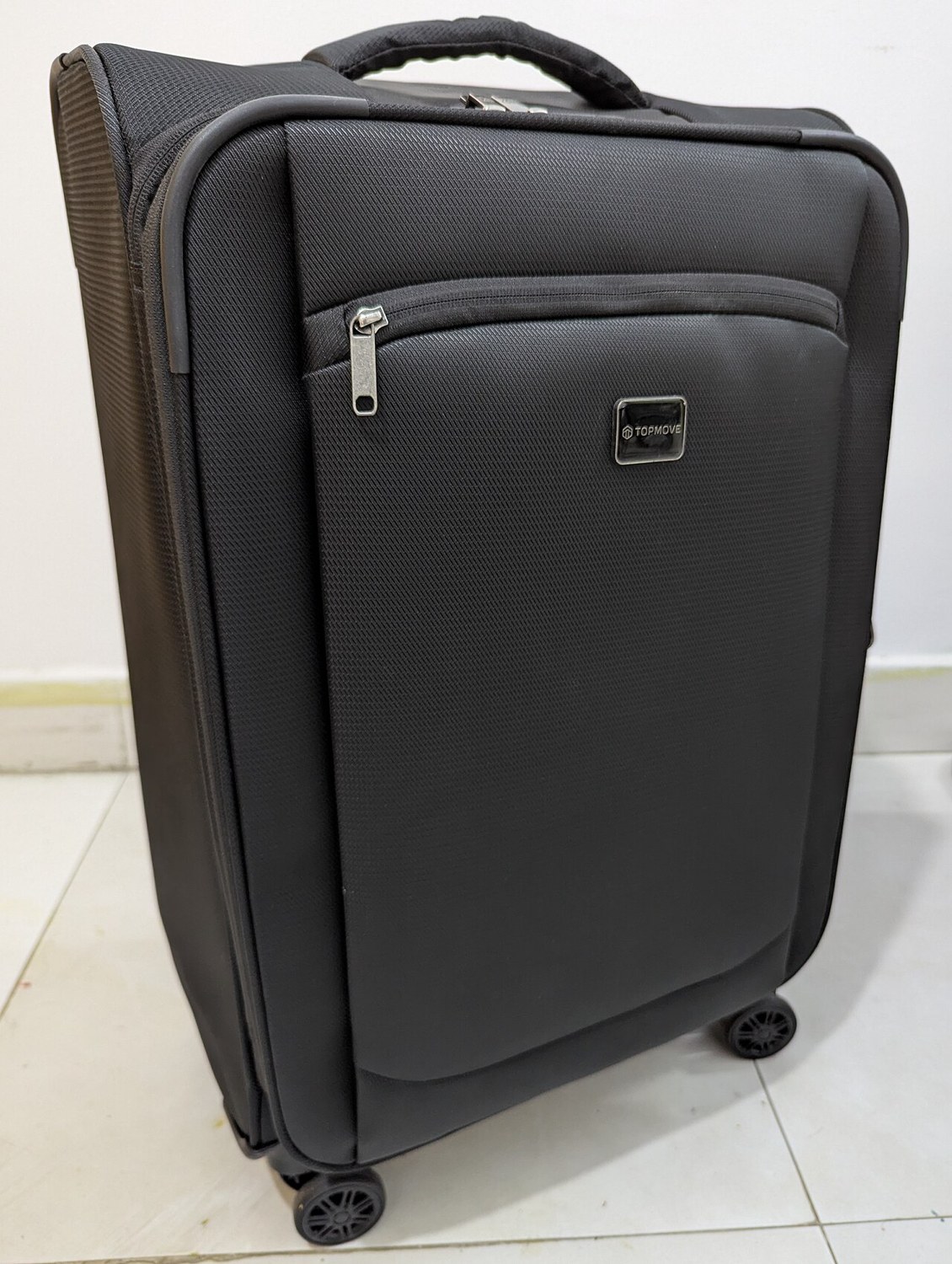
A useful suitcase rolls and closes properly; a clean shell is only part of the picture.
Read article ↗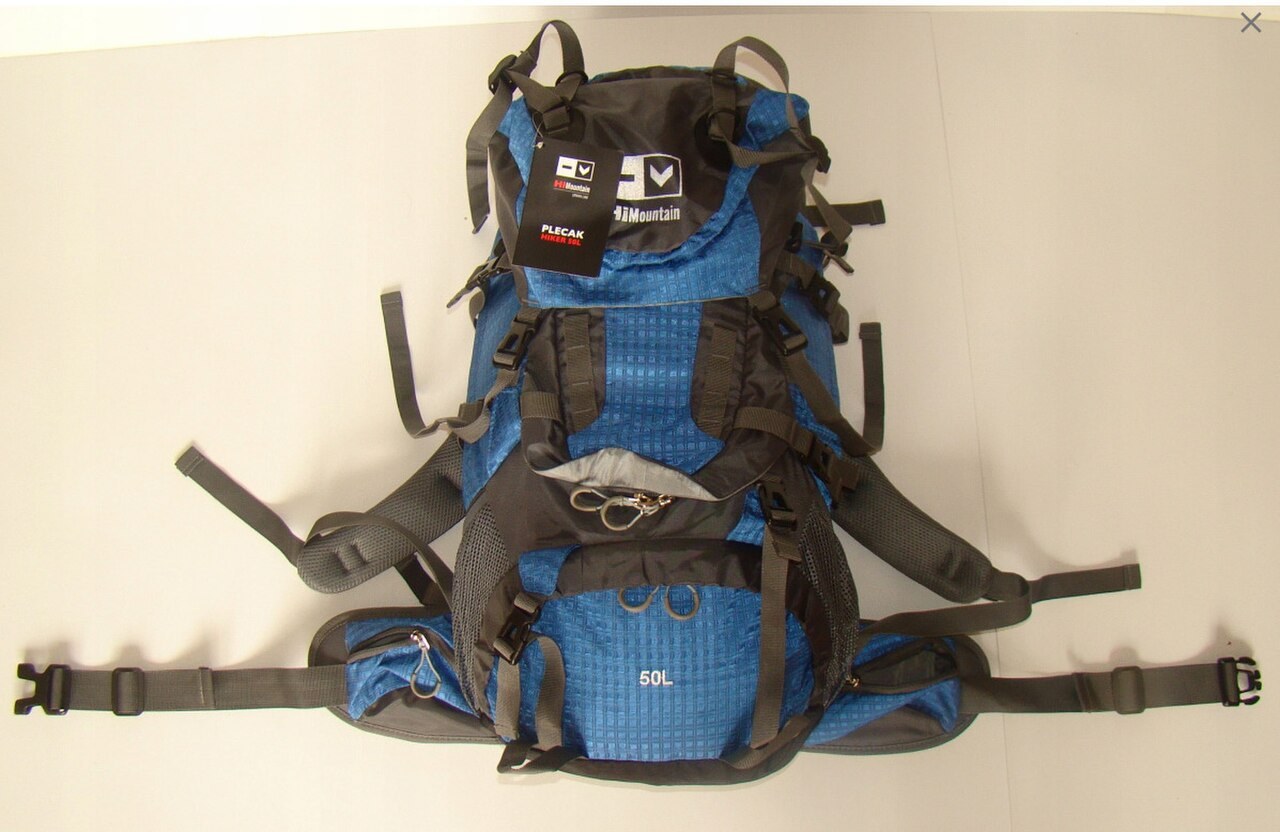
Comfort needs the right size and sound load paths. Clean outer fabric is not a complete assessment.
Read article ↗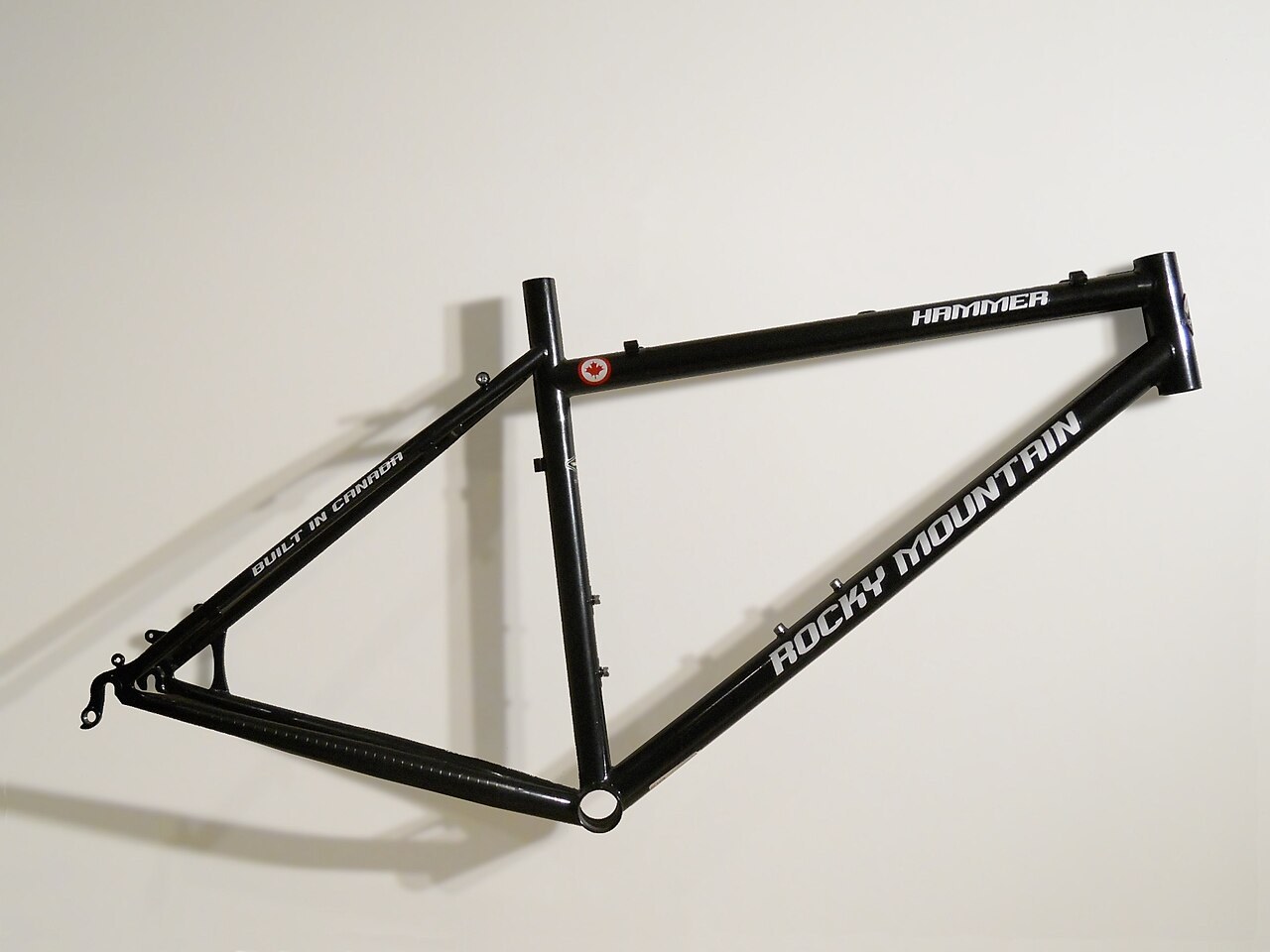
A suitable frame needs more than a size label. Include history and visible warning signs.
Read article ↗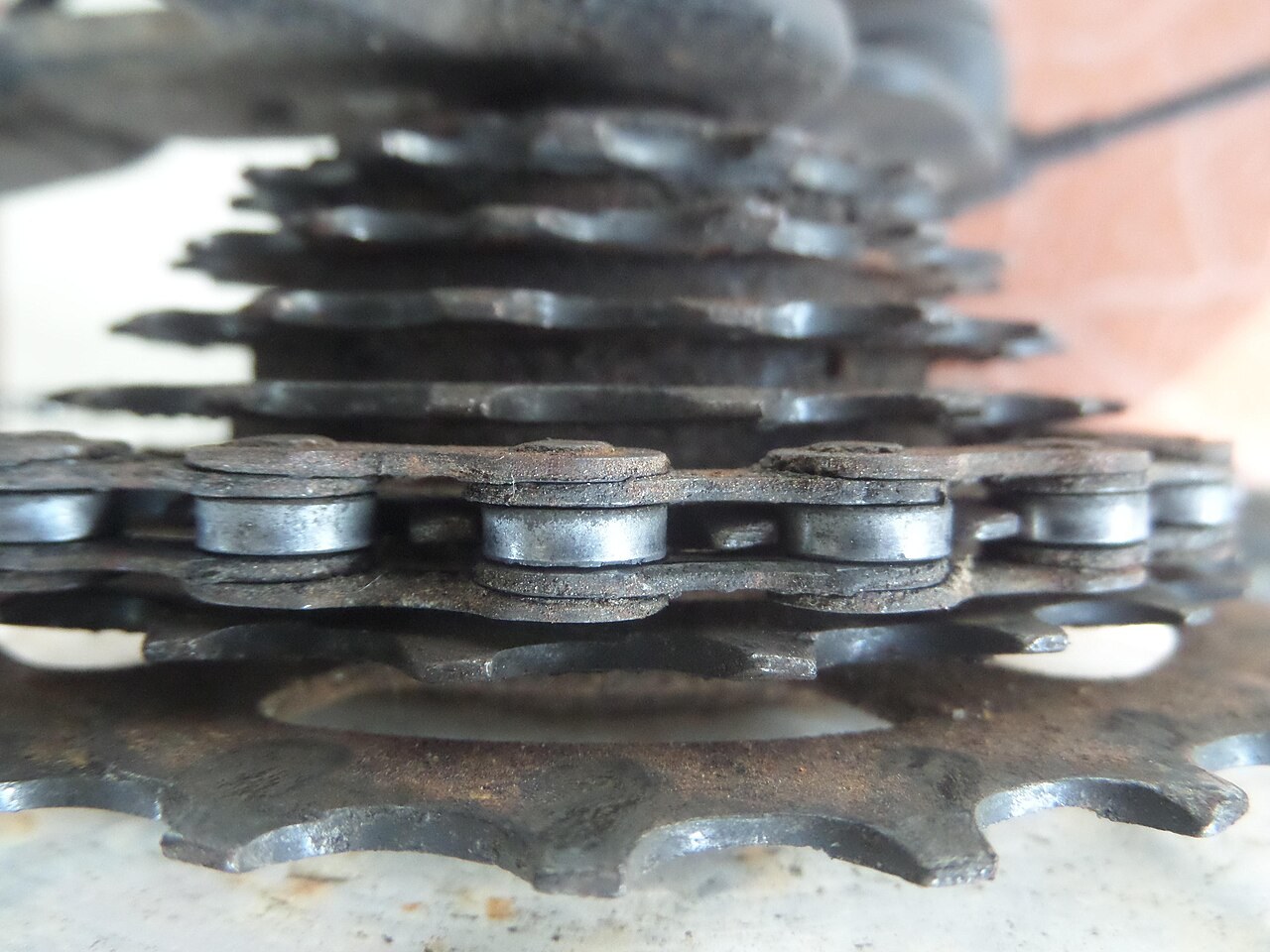
A cleaned chain can still be worn. Useful assessment needs measurement and attention to the parts working together.
Read article ↗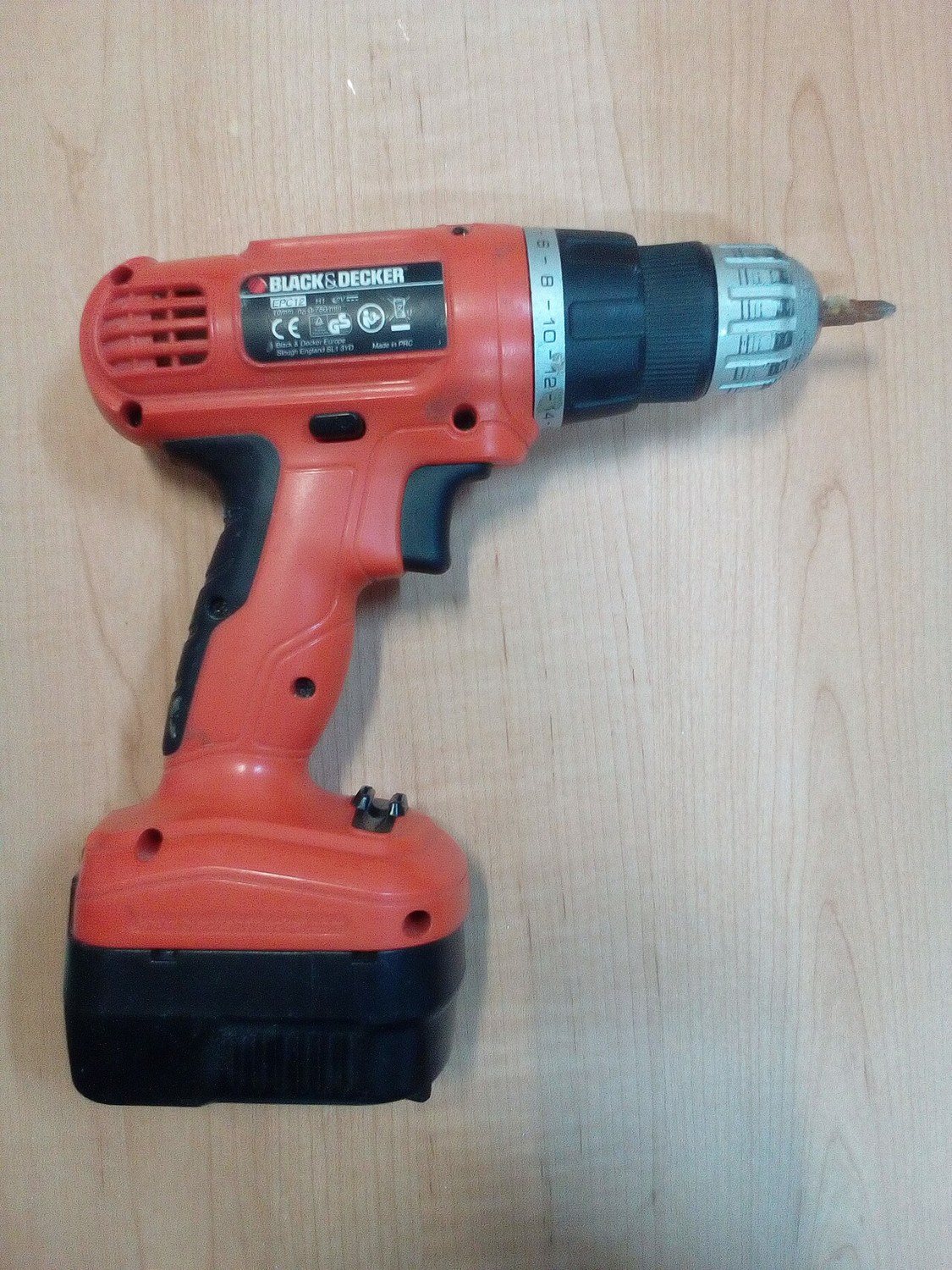
The tool is only one part of the set. Battery and charger need an exact assignment.
Read article ↗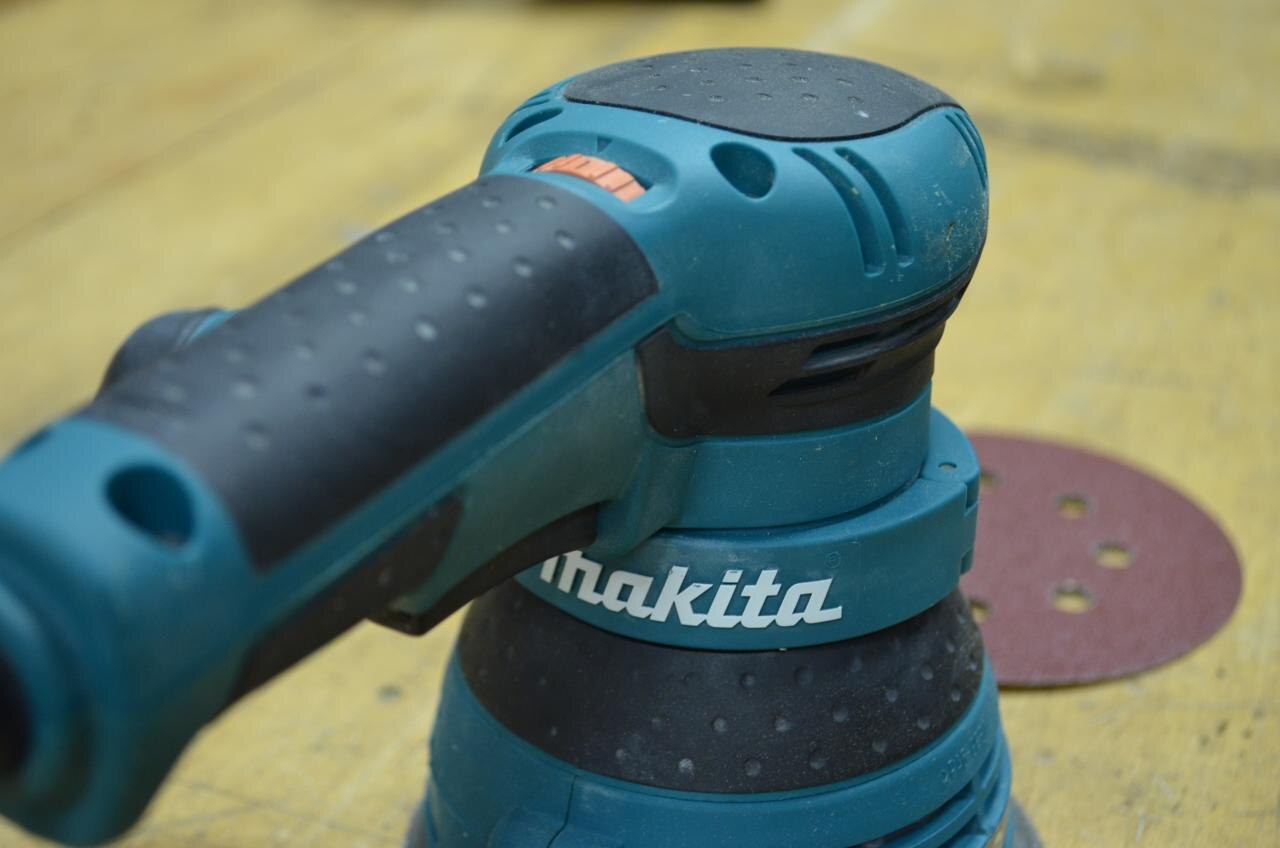
The sanding pad and intended dust path matter alongside the motor.
Read article ↗
A shiny finish does not establish sound cutting edges, jaws or handle connections.
Read article ↗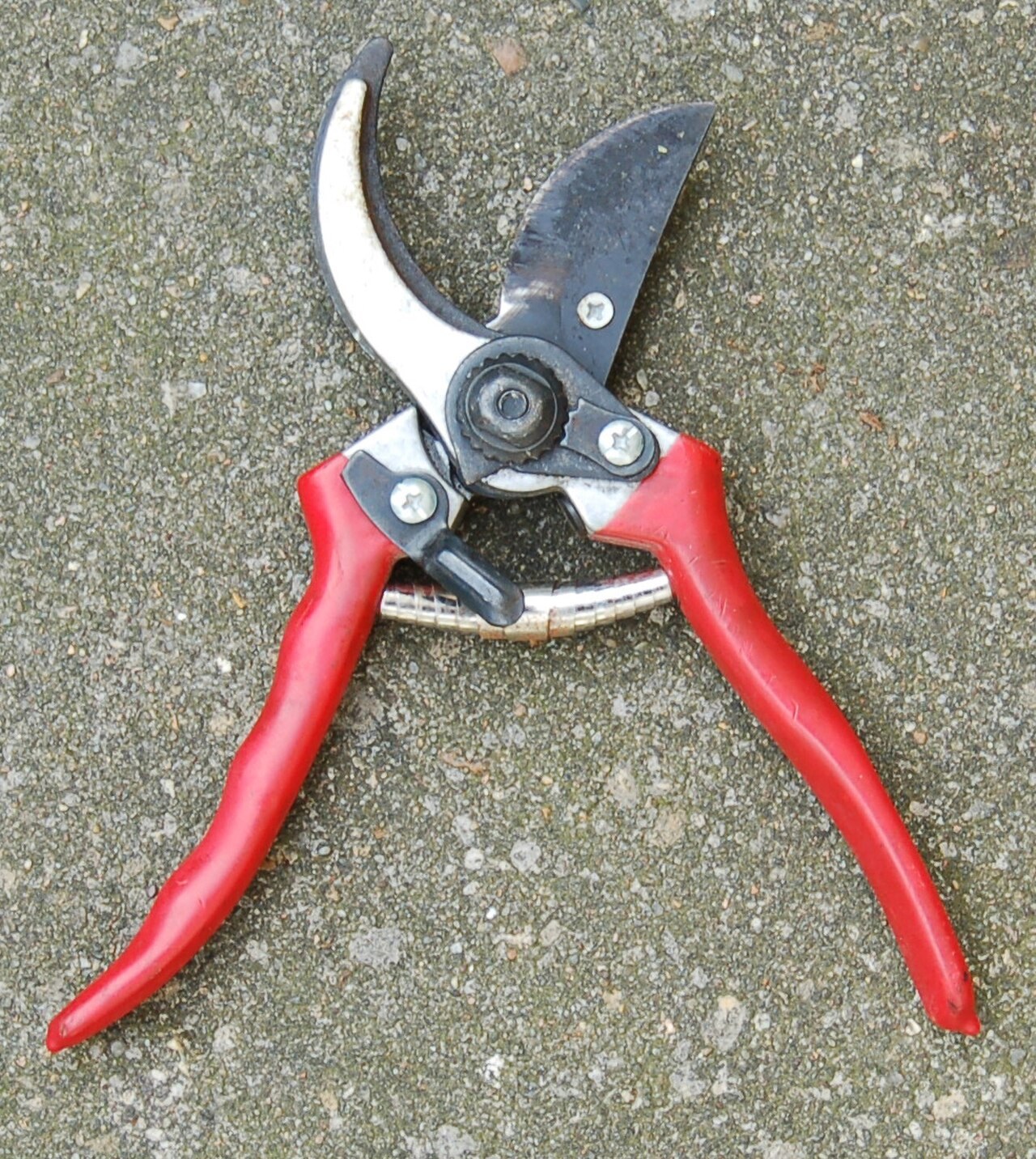
Correct geometry and controlled handling matter more than a brightly polished blade.
Read article ↗