A used wooden table may remain useful despite visible marks. You need more information than the phrase real wood, however. Top, legs and edges may use different materials. Ask about construction and inspect the underside before planning refinishing. A natural-looking surface does not automatically mean that every part can be sanded or treated in the same way.
Identify the surface material
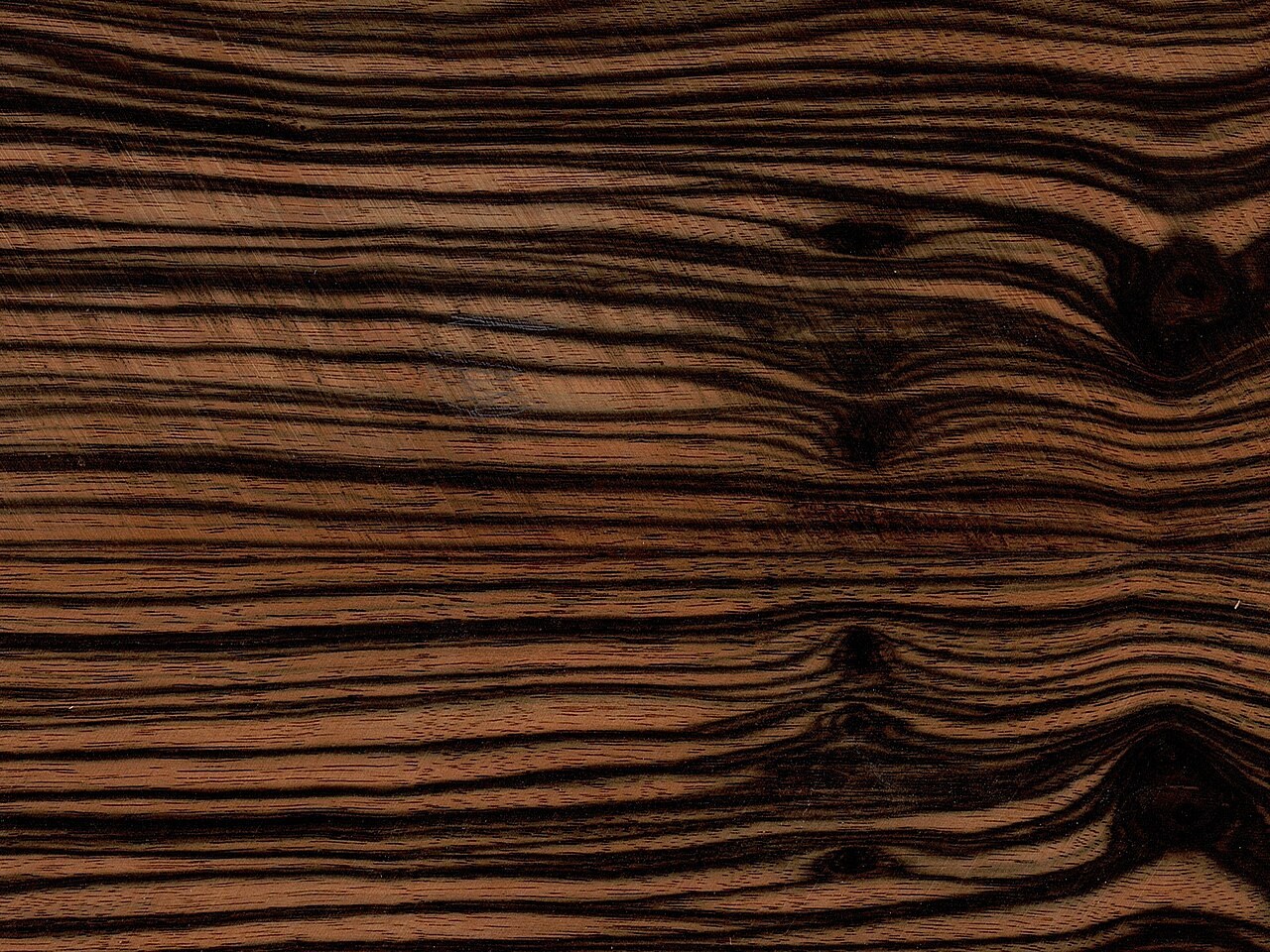
Solid wood, wood veneer and printed surfaces need different treatment. IKEA explains these material differences in its table guidance. Natural grain on top does not establish that the whole board is solid timber. Exposed edges and manufacturer information help identify it without scraping a coating away.
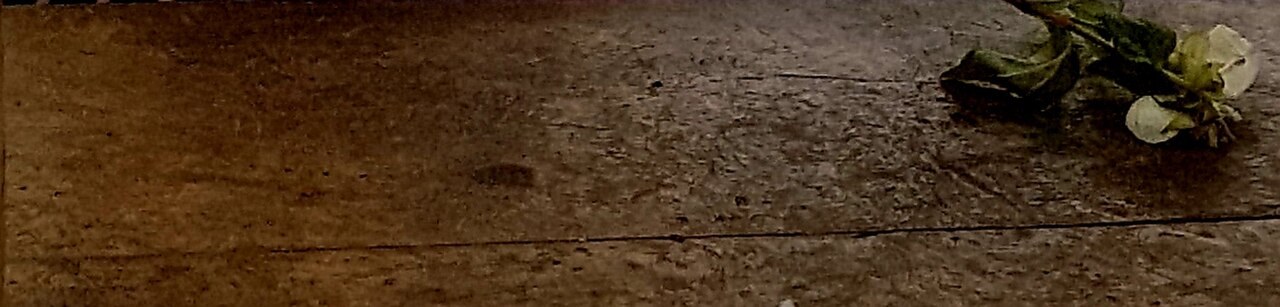
Use side lighting to look for scratches, water marks and small dents. Describe whether a mark appears confined to the finish or involves missing material; photographs often leave that unclear. Fresh polish may temporarily change the appearance. Ask what was applied immediately before the viewing.
Check joints and support
Place the table on a level floor and observe ordinary gentle handling. Look at accessible leg fixings and crosspieces for missing components or splits. A loose screw is possible but cannot be assumed to explain every wobble. Pulled-out mountings or split parts require a different assessment.
For an extending table, have the intended process demonstrated. Are leaves, catches and guides complete? Observe whether sections meet without forcing the frame out of shape. Test it unloaded and keep fingers clear of moving gaps.
Do not assume restoration will be simple
Not every wood surface can be freely sanded or oiled. Finish and material thickness limit the options. If removing a visible mark matters, have the construction and work assessed by someone competent beforehand. Planned restoration is a cost, not an already resolved defect.
Measure length, width, legroom and the collection route. Establish whether the legs can be removed as directed and which fittings must be kept. A suitable table with clearly described wear may be sensible; an attractive top on a structurally uncertain frame needs the uncertainty resolved first.
Common questions
Are fine cracks in timber always harmless?
No. Position, depth and their effect on joints matter. Photographs alone cannot establish the soundness of a structural area.
Can I oil every tabletop again?
No. Lacquered or otherwise coated surfaces need suitable treatment. Identify material and finish first.