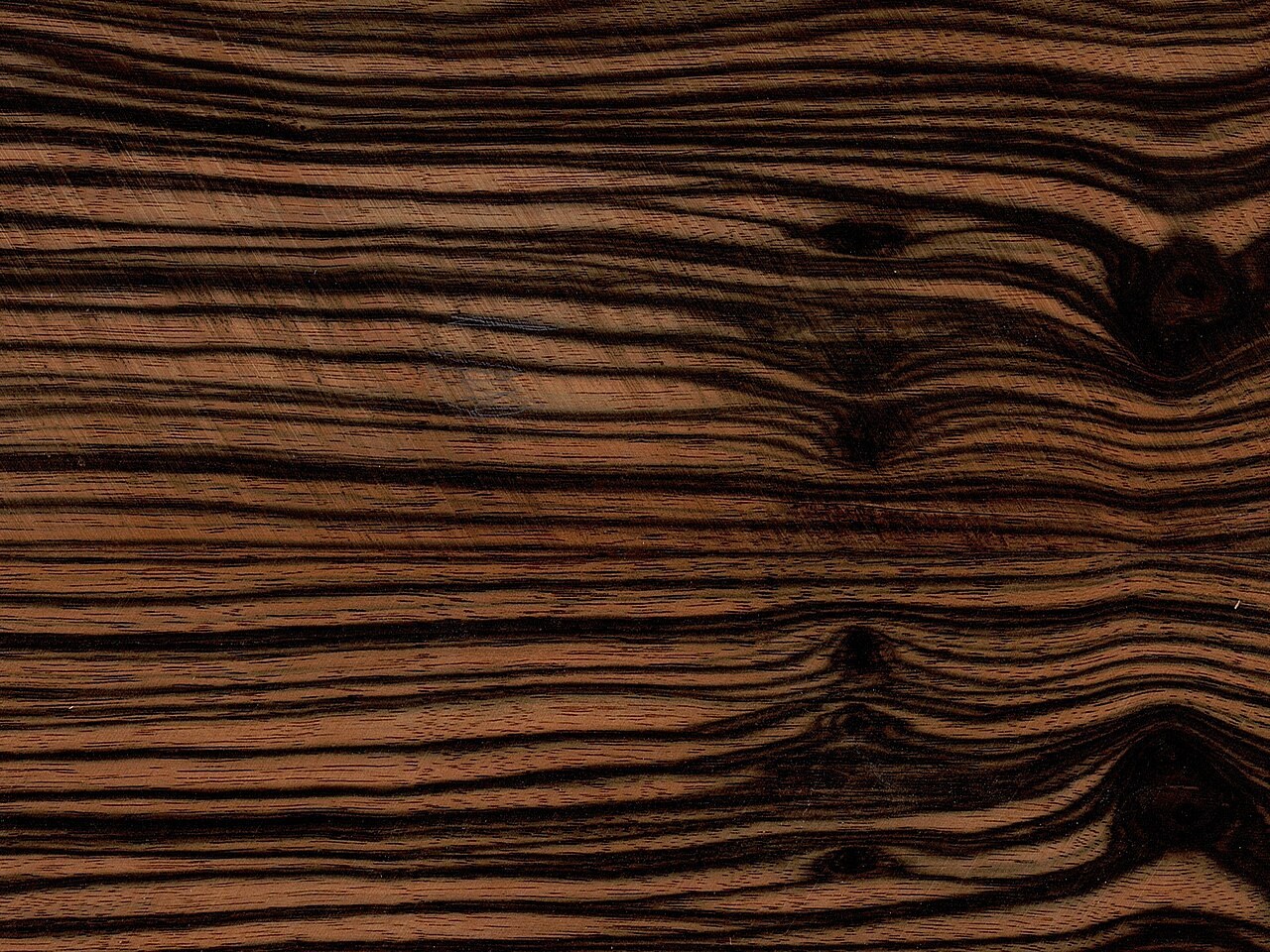
Veneered furniture has a real wood surface without necessarily being made entirely from solid timber. That matters during inspection. A scratch in veneer, an open bonded joint and a swollen substrate are different findings. Request views of edges, underside and the affected area together rather than accepting one close-up without context.
Inspect edges from several angles
In good light, look for lifted edges, missing chips and visible transitions between surface and substrate. Do not run a bare hand over a sharp loose edge. A small missing veneer patch may be obvious without revealing the condition of the rest of the construction.
Pay attention to handles, feet and panel joints. Is damage in an open surface or around a loaded connection? Photographs with a size reference are more helpful than the word small. A full side view also helps distinguish a distorted panel from an apparent unevenness caused by lighting.
Consider moisture separately from polish
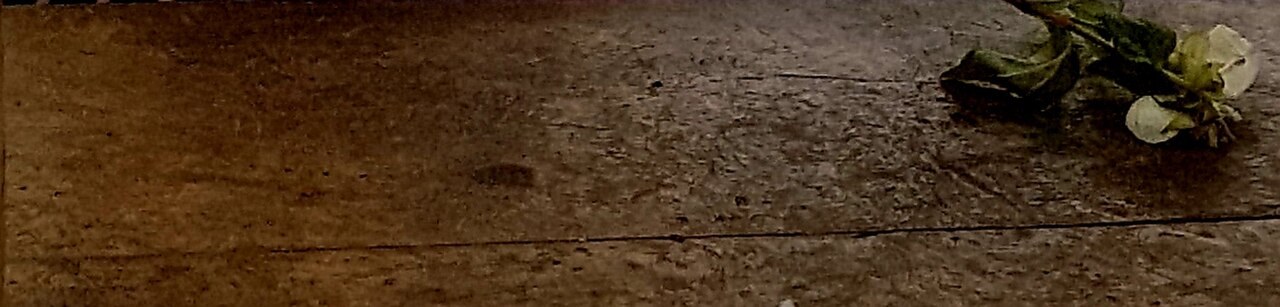
IKEA notes real wood veneer’s sensitivity to standing moisture. Ask about water exposure when edges are raised or surfaces altered. A plant pot, a leak and damp storage represent different histories. The shape of a stain alone cannot establish its cause.
Swelling may involve the substrate and cannot necessarily be reversed through surface care. Notice unusual musty odour during an ordinary viewing without treating smell as a chemical analysis. Check whether doors and drawers still move along their intended guides too.
Establish repair work before deciding
Do not treat veneer like an arbitrarily thick solid board. Heavy sanding may go through its surface layer. If cosmetic repair is planned, have the material and method assessed first. Question claims that a little oil will solve detached or swollen areas.
Also check stability and complete fittings. An acceptable surface mark and a damaged hinge mounting belong separately in the cost list. Decide which marks you would accept permanently if professional repair turns out to be more involved or more visible than expected.
Common questions
Is veneer the same as wood-effect film?
No. Veneer is a thin layer of actual wood. Decorative film is a different surface, with potentially different care and repair options.
Will swollen material dry flat again?
Drying does not automatically remove permanent deformation or restore failed bonds. Have the particular construction assessed instead of assuming full recovery.